+32 329 293 0116
 +31 (0)97 010 251 091
 +27 (0)60 014 4200
 +44 (0)20 4538 7771

January is often referred to as “Mental Wellness Month”. For many people, it is also the point where stress, low mood, anxiety, and substance use become harder to ignore. This is not the month for extreme resolutions. It is the month for stabilising your routine, reducing risk, and getting support early if you think things are sliding.
If you or someone else is in immediate danger, call your local emergency number.

Why January is “Mental Wellness Month”?
You will see January described as Mental Wellness Month in a number of sources. The practical value is not the label. The value is using January as a prompt to take symptoms seriously and put structure back in place.
Why January Feels Heavier On Our Wellbeing
January commonly comes with reduced daylight, less social contact, disrupted sleep after the holidays, and financial pressure. When your baseline is already strained, those factors can worsen anxiety, irritability, fatigue, and cravings.
If you are using alcohol or drugs to cope, winter routines can also increase the risk of escalation and relapse.
The January Slump vs Seasonal Affective Disorder (SAD)
A “winter slump” can involve low energy and reduced motivation. Seasonal Affective Disorder is different. It is a form of depression with a seasonal pattern, often worse in winter.
The NHS describes SAD symptoms and treatment approaches and advises speaking to a GP before trying light therapy, as it may not be suitable for everyone, and evidence is not definitive. MIND also outlines treatment options, including the same caution around light therapy availability and evidence.
If symptoms are persistent, worsening, or impairing your ability to function, treat that as a clinical concern, not a motivation problem.
What Helps Mental Wellbeing in January?
This section is intentionally simple. The goal is stabilisation, not optimisation.
Daylight and routine
Aim for daylight exposure daily, even if brief. Consistency matters more than intensity.
Sleep
Pick a wake-up time you can keep every day, including weekends. This is one of the most reliable anchors for mood and energy.
Movement
You do not need an aggressive programme. You need something repeatable:
- a daily walk
- two or three short strength sessions per week
- any routine you can maintain without burnout
Alcohol and mental health
If mood and sleep are unstable, alcohol can worsen both over time. If alcohol is being used as emotional regulation, treat it as a risk marker and get support.
Reduce late-night stimulation
Set a cut-off for scrolling and replace it with a low-stimulation routine. This is not a lifestyle trend. It is sleep protection.
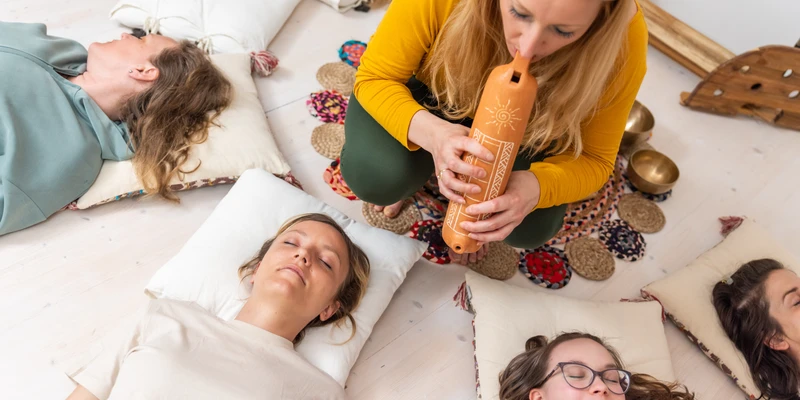
Blue Monday 2026: Treat it as a Reminder, Not a Fact
Blue Monday is commonly described as the third Monday in January. In 2026, that falls on 19 January 2026.
The idea is widely criticised as a marketing campaign rather than a scientific concept. If it prompts you to check in with yourself or someone else, fine. Do not treat it as a clinical truth.
A 7-day January Reset Plan
This is a practical reset, not a “new you” programme.
Day 1
- Set a consistent wake-up time
- Get daylight
- Write down the two most immediate risks you need to reduce this week (sleep, alcohol, isolation, panic symptoms, etc.)
Day 2
- 20 to 30 minutes walking
- Tidy one small space you see every day
Day 3
- Arrange one real point of contact (call, coffee, walk)
- No long explanations needed, just a connection
Day 4
- Set a screen cut-off time
- Replace it with a low-stimulation routine
Day 5
- Strength session or longer walk
- Eat regular meals, starting with protein at breakfast
Day 6
- Do one enjoyable activity on purpose, without turning it into productivity
Day 7
- Review what helped
- Choose two habits to continue for 14 days
If you cannot complete this because the symptoms are too severe, that is information. It usually means you need professional support, not more self-discipline.
When Self-Care is Not Enough
Seek professional help if:
- symptoms persist most days for 2+ weeks
- your functioning drops (work, relationships, self-care)
- alcohol or drugs are being used to manage emotions
- you experience withdrawal symptoms, blackouts, or loss of control
- you have thoughts of self-harm or suicide
UK urgent support: the NHS explains routes to urgent mental health help. MIND also lists helplines and crisis support, including Samaritans.
South Africa urgent support: SADAG lists 24-hour emergency helplines, including suicide crisis support and a substance abuse helpline.
If Alcohol or Drugs are Part of your January Story
If substance use is tied to mood, anxiety, or sleep, “wellness tips” are not a treatment plan. Effective recovery typically requires:
- assessment and risk screening
- stabilisation, including medically supervised detox when needed
- structured therapy and skills work
- relapse prevention and aftercare planning
Liberty Home Rehab is a residential programme in Cape Town for substance use disorders and co-occurring mental health challenges, with a structured phased approach and clinical oversight.

What Liberty Home states clearly
- Residential programmes run 28, 42, 56, 70 or 84 days, depending on clinical need, with 2 to 3 therapy sessions per week.
- They accept both local and international clients and explicitly mention serving clients from South Africa and the UK, including coordinating flights and airport pickup, and structured aftercare on return.
- They screen for detox needs and coordinate medically supervised detox when required, including options in Cape Town or via approved providers nearer home.
Detox, stated accurately
Liberty Home describes a clinically supervised, non-acute alcohol detox for medically stable adults, with defined monitoring and escalation protocols and hospital transfer if risk rises.
They also state that medical detox is not provided onsite in certain contexts and that they work closely with other institutions that assist with medical detox, with primary care starting once stable.
That distinction matters. It protects safety, and it sets realistic expectations.
Frequently Asked Questions
What is Mental Wellness Month?
It is commonly used as a January theme encouraging attention to mental wellbeing through sustainable, practical habits.
What is SAD and what helps?
SAD is a seasonal form of depression, often worse in winter. The NHS outlines symptoms and treatment options and advises speaking to a GP before trying light therapy.
Is Blue Monday real?
It is widely criticised as marketing rather than science. Use it as a reminder to check in, not as a diagnostic idea.
When should I get urgent help?
If you are in crisis or at risk of harm, seek urgent support immediately. The NHS provides guidance on where to get urgent help, and MIND lists helplines and crisis services.