LSD Addiction Treatment

Home LSD Addiction Treatment

AI Overview

  • LSD addiction treatment in Cape Town focuses on addressing the psychological patterns and emotional drivers linked to hallucinogen use.
  • Comprehensive care often includes structured rehabilitation, integrated mental health support, and evidence-based treatment approaches delivered within a safe therapeutic environment.
  • For individuals facing co-occurring conditions, dual diagnosis services ensure that both substance use and underlying psychological concerns are treated together.
  • Through a personalised treatment plan and ongoing aftercare, clients are supported in building stability, resilience, and long-term recovery.

Understanding LSD Use and the Reality of Addiction

LSD, commonly called acid, is a potent hallucinogenic substance that alters perception, mood, and thought. People who experiment with LSD often describe intense visual changes, emotional shifts, and a distorted sense of time. While some approach it seeking insight or recreation, repeated use can gradually lead to psychological dependence. Even though LSD does not usually create physical withdrawal symptoms in the way opioids or alcohol might, addiction can still develop through behavioural patterns and emotional reliance.

Addiction in this context often centres on escapism, thrill-seeking, or attempts to manage underlying mental health challenges. Over time, what began as occasional experimentation can become a cycle that disrupts work, study, relationships, and overall wellbeing. Recognising when use has crossed into harmful territory can feel confusing. Many individuals question whether their experiences are serious enough to justify seeking help. If LSD use is affecting daily functioning, emotional stability, or safety, professional support may be appropriate and beneficial.


woman looking

LSD primarily influences serotonin receptors in the brain, particularly those involved in mood regulation, perception, and cognition. This interaction produces hallucinations, altered thinking patterns, and intensified emotions. For some, these effects are unpredictable and can shift from pleasant to frightening without warning. Judgement may become impaired, increasing the likelihood of risky behaviour or unsafe decision making.

Repeated exposure may also influence emotional regulation. Some individuals begin to rely on LSD as a way to escape distress, boredom, or unresolved trauma. Over time, psychological cravings can form, even without physical withdrawal symptoms. These cravings may be linked to environmental triggers, social settings, or emotional discomfort.


Identifying problematic LSD use requires looking beyond frequency alone. Warning signs may include obsessive thinking about obtaining or using the substance, neglect of responsibilities, withdrawal from relationships, and persistent emotional instability. Individuals might also experience paranoia, confusion, or difficulty distinguishing between reality and distorted perceptions long after the drug’s immediate effects have worn off.

Other signs can involve continued use despite negative consequences, such as strained family dynamics or work challenges. Emotional volatility, anxiety, and decreased motivation are common concerns. If these patterns are present, a structured assessment can clarify the level of risk and determine appropriate treatment options.


Although LSD is not typically associated with fatal overdose, it carries significant psychological risks. Hallucinogen Persisting Perception Disorder, known as HPPD, can result in recurring visual disturbances or flashbacks long after use has stopped. Panic attacks and prolonged anxiety episodes may also occur, particularly in individuals predisposed to mental health conditions.

In rare cases, LSD use can trigger extended psychosis, especially for those with underlying vulnerabilities. Accidents and injuries during intoxication are additional concerns. Combining LSD with other substances increases unpredictability and potential harm. Comprehensive care addresses both immediate safety and long-term psychological wellbeing.

liberty-therapy-woman-sitting-chair-book-page

A Structured Rehabilitation Programme for Lasting Recovery

Rehabilitation from LSD-related challenges involves more than simply stopping use. A comprehensive programme focuses on emotional stability, behavioural change, and rebuilding daily structure. At Liberty Home Clinic in Cape Town, our residential care offers an immersive setting where individuals can step away from environmental triggers and focus fully on recovery. This type of rehabilitation provides therapeutic consistency, professional oversight, and peer accountability.

An effective programme integrates therapeutic groups, individual counselling, psychoeducation, and life skills development. Structure plays a central role in early recovery, helping clients re-establish routines and healthy coping strategies. Rehabilitation also supports rebuilding confidence and restoring a sense of direction. Through consistent engagement, individuals begin to develop resilience and long-term strategies for maintaining stability beyond the treatment setting.

people hands

Comprehensive Drug Rehab Services in Cape Town

Drug rehab services at Liberty Home in Cape Town address a broad spectrum of substance-related challenges, including hallucinogens. A dedicated drug rehab environment recognises that LSD use often intersects with emotional stressors, trauma histories, or co-occurring conditions. Treatment, therefore, extends beyond surface-level behaviour change and explores underlying psychological dynamics.

Our drug rehab programmes emphasise evidence-based treatment models supported by research and clinical practice. These approaches may include cognitive behavioural therapy, dialectical behaviour therapy, motivational interviewing, and trauma-informed interventions. By combining therapeutic modalities, clinicians can tailor interventions to each person’s history and strengths.

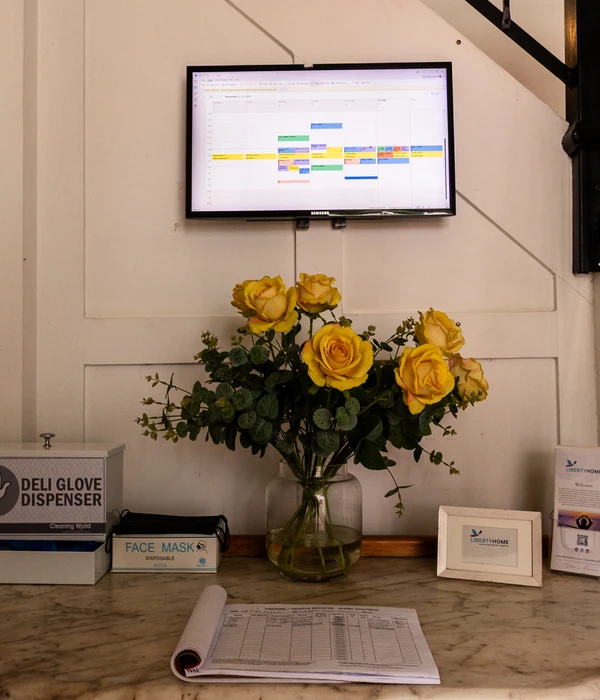
A marble reception desk featuring a vase of yellow roses, a visitor log, and a digital schedule display on the wall.
liberty-environment-woman-wearing-beige-cropped-crop-top-black-page

Therapeutic Approaches and Evidence-Based Treatment

Evidence-based treatment ensures that interventions are grounded in scientific research. Cognitive behavioural therapy helps clients identify distorted thinking patterns and replace them with balanced alternatives. Dialectical behaviour therapy enhances emotional regulation and distress tolerance skills.

Motivational interviewing strengthens internal commitment to change by exploring ambivalence in a non-confrontational way. These therapies are delivered in both individual and group formats, providing opportunities for reflection and collaborative learning.

Integrating Mental Health Support

Many individuals seeking drug rehab also experience mental health concerns such as anxiety, depression, or trauma-related symptoms. Integrated care ensures these challenges are addressed simultaneously rather than treated in isolation. Coordinated support reduces relapse risk and promotes long-term stability.

Mental health professionals collaborate within the broader clinical team to align goals and monitor progress. Addressing emotional wellbeing strengthens recovery outcomes and enhances resilience.

liberty-environment-woman-green-dress-smiles-while-walking-street-page
liberty-woman-wrapped-blanket-sitting-couch-sex-porn-addiction-page

Family Engagement and Education

Substance use affects entire family systems. Involving loved ones in the recovery process can improve communication, rebuild trust, and clarify boundaries. Educational sessions provide families with insight into addiction dynamics and coping strategies.

Constructive dialogue fosters mutual understanding and encourages sustainable support networks. When families feel informed and empowered, recovery outcomes often improve.

Comprehensive assessment explores psychiatric history, symptom patterns, and functional impairment. Clinicians differentiate between substance-induced symptoms and independent mental health disorders. This distinction informs targeted interventions.

Integrated care planning aligns therapeutic strategies across disciplines. Psychotherapy, psychiatric consultation, and supportive services operate cohesively to stabilise mood, cognition, and behaviour.

Emotional instability often drives repeated LSD use. Learning to manage distress without substances is a critical recovery milestone. Therapy sessions focus on building coping mechanisms, stress tolerance, and interpersonal effectiveness.

Through consistent practice, individuals develop greater self-awareness and confidence in navigating challenging emotions without resorting to hallucinogens.

Dual diagnosis care continues beyond initial residential treatment. Ongoing therapy, medication management when appropriate, and community resources support sustained stability. Long-term monitoring reduces relapse risk and encourages early intervention if symptoms resurface.

Addressing Dual Diagnosis and Co-Occurring Conditions

Dual diagnosis refers to the presence of both substance use challenges and a mental health disorder. LSD use can sometimes mask or intensify pre-existing psychological conditions. In other cases, hallucinogen exposure may trigger latent vulnerabilities. Accurate diagnosis requires careful evaluation by experienced clinicians.

Treating dual diagnosis demands integrated planning. Focusing exclusively on substance use without addressing depression, anxiety, or trauma may leave underlying issues unresolved. Coordinated care targets both conditions simultaneously, improving overall prognosis and reducing recurrence.

Developing a Personalised Treatment Plan for Sustainable Change

At Liberty Home, our personalised treatment plan is central to effective recovery. No two individuals experience addiction in identical ways. Personal history, trauma exposure, cultural background, and support systems all influence care needs. Tailoring interventions enhances engagement and promotes meaningful progress.

This customised plan outlines therapeutic goals, measurable objectives, and selected treatment options. Collaboration between client and clinician ensures that the process remains empowering rather than prescriptive. Flexibility allows adjustments as insight deepens and circumstances evolve.

liberty-doctor-writing-paper-prescription-drugs-page
liberty-environment-woman-sitting-rock-overlooking-ocean-enviroment-page

Goal Setting and Measurable Outcomes

Clear goal setting provides direction and motivation. Short-term objectives may focus on stabilisation and emotional regulation, while long-term aims involve vocational development or relationship repair. Measurable outcomes allow both client and clinician to evaluate effectiveness.

Regular review sessions track improvements and identify areas requiring additional focus. This transparent process fosters accountability and reinforces progress.

Relapse Prevention and Coping Strategies

Relapse prevention planning equips individuals with tools to manage triggers and high-risk situations. Identifying environmental cues, emotional vulnerabilities, and social pressures forms the foundation of this strategy.

Clients practise coping responses such as grounding exercises, cognitive reframing, and structured problem solving. Ongoing rehearsal strengthens confidence and readiness for real-world challenges.

liberty-woman-using-laptop-computer-sex-porn-addiction-page
liberty-environment-man-meditating-beach-sunset-enviroment-page

Aftercare and Community Reintegration

Sustainable recovery extends beyond structured residential care. At Liberty Home rehabilitation centre, our aftercare planning may include step-down accommodation, outpatient therapy, and peer support groups. Continued engagement reinforces therapeutic gains and maintains accountability.

Community reintegration emphasises rebuilding purpose through employment, education, or volunteer work. Social connection and structured activity reduce isolation and promote a balanced lifestyle.

lh-lodge-

Beginning Treatment and Taking the Next Step

Initiating treatment often begins with a confidential consultation. During this conversation, our clinicians gather background information, answer questions, and explain available treatment options. Transparency reduces uncertainty and supports informed decision making.

Choosing to seek help reflects strength and foresight. LSD addiction treatment with Liberty Home in Cape Town offers structured rehabilitation, comprehensive drug rehab services, integrated dual diagnosis care, and a personalised treatment plan designed to address both substance use and mental health needs. With our professional guidance and sustained commitment, long-term recovery is achievable and sustainable.

Frequently Asked Questions

How is LSD addiction treated in Cape Town?

At Liberty Home Group, we understand how overwhelming it can feel to seek help for LSD addiction. Our team supports you with structured, evidence-based therapies and personalised psychological care, all within a safe, home-like residential setting. We focus on helping you manage the emotional and psychological challenges of substance use, while equipping you with practical coping skills for long-term recovery. 

In Cape Town, there are a range of options for addressing LSD-related challenges, from residential treatment and structured sober living to various types of outpatient therapy. At Liberty Home Group, we focus on residential care and sober living because we believe in providing a consistent, supportive environment where you can build real, lasting change. 

Everyone’s journey is unique, so the length of LSD addiction treatment in Cape Town can vary depending on your individual needs and progress. Our residential programmes often range from several weeks to up to three months, and many people continue receiving support through our structured sober living afterwards. 

We understand that figuring out medical aid or insurance coverage for LSD addiction treatment in Cape Town can feel stressful or confusing. Some medical aid plans in South Africa may cover parts of addiction treatment, but preauthorization is often needed. At Liberty Home Group, we mainly operate as a private-pay provider, but we encourage you to speak with your fund and our admissions team so we can help clarify your options and support you through the process. 

Aftercare with us means you aren’t alone as you move forward. We offer structured sober living, ongoing access to individual and group therapy, relapse prevention planning, and strong community support connections. Our team will help connect you with local peer groups and resources in Cape Town, and we remain available for ongoing guidance and encouragement. 

Scroll to Top