How to Stop Gambling: Treatment and Recovery Support in South Africa

Home How to Stop...

Written by:

vincent

Reviewed by: Vincent

13 min

AI Overview

  1. What Gambling Disorder Is – Gambling disorder is a recognised behavioural addiction marked by a persistent inability to control gambling, even when it leads to serious financial, emotional, or relational harm. It often develops gradually and is frequently hidden due to shame or fear of judgement.

  2. Key Warning Signs – Common signs include constant preoccupation with gambling, chasing losses, hiding behaviour, borrowing money, mounting debt, and emotional distress such as guilt, anxiety, or irritability when trying to stop. These patterns signal the need for support, not personal failure.

  3. Why It’s Hard to Stop – Gambling activates powerful reward pathways in the brain, reinforcing urges and distorting decision-making. Cognitive distortions, like believing a win is “due,” and the dopamine-driven thrill, make quitting especially difficult without structured help.

  4. Pathways to Recovery – Effective treatment combines evidence-based therapy (such as CBT), group support, financial counselling, and strategies to reduce exposure to gambling. With the right care and understanding, recovery is possible and sustainable.

Understanding Gambling Disorder and Its Warning Signs

Compulsive gambling is a behavioural condition that makes it difficult to control the impulse to gamble, even when it leads to serious personal, financial, or emotional consequences. For many, it develops quietly over time and is often hidden due to feelings of shame, guilt, or fear of judgement, especially in more conservative or religious communities. 
 
It’s not uncommon to keep it a secret, even from those closest to you. That’s why recognising the early warning signs is so important. With the right support, it’s possible to prevent the damage from escalating further.

liberty-gambling-addiction-wooden-tray-three-dice-ball-page

What is Gambling Addiction?

Gambling addiction, also known as gambling disorder, is recognised as a behavioural addiction in the DSM-5, similar in some ways to substance use disorders. It’s driven by compulsive gambling behaviours that stimulate the brain’s reward system, often leading to repeated betting despite serious consequences.
 
Many people find themselves constantly thinking about gambling, feeling irritable or restless when trying to cut back, or using it as a way to cope with stress or emotional discomfort. Over time, it becomes harder to walk away. You may notice increased time or money spent on gambling, and feel unable to stop even when it’s affecting your relationships, finances, or wellbeing.
liberty-gambling-addiction-red-pen-top-sheet-paper-page

Signs and Symptoms of Problem Gambling

The signs of problem gambling can be easy to overlook at first. You might start hiding gambling habits, chasing losses, avoiding responsibilities, or borrowing money to place more bets. Emotionally, feelings of guilt, anxiety, or shame often surface.
 
Financially, mounting debt, missing funds, or unexplained transactions can raise concern. Changes in behaviour like secrecy, frequent absences, or growing distance from loved ones are also common. These symptoms don’t mean you’ve failed; they’re signs that support is needed. 
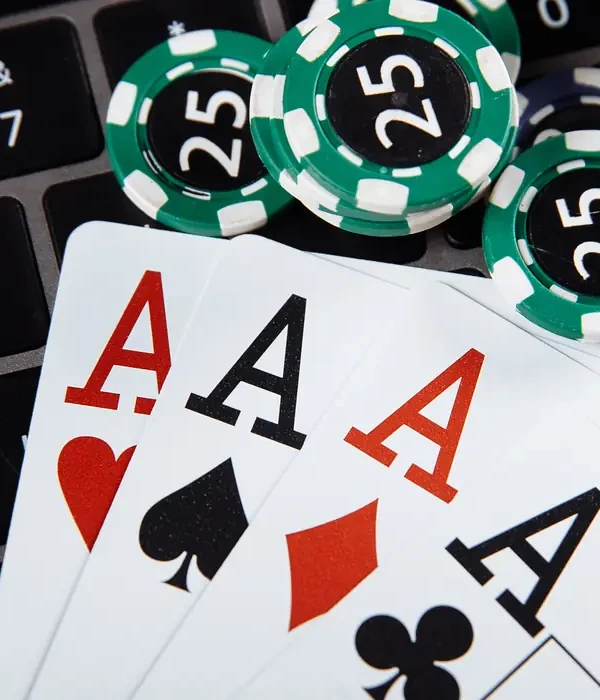
liberty-gambling-addiction-poker-chips-cards-keyboard-page

Why Gambling Is Hard to Quit: Brain, Urges, and Triggers

When you gamble, certain reward pathways in the brain light up, reinforcing the urge to keep going, even when part of you wants to stop. It can distort how decisions are made and make risk feel exciting instead of dangerous.
 
Understanding why these cycles are so difficult to interrupt can help reduce shame and self-blame. There’s a path forward, and it begins with understanding what you’re up against.
liberty-gambling-addiction-blue-dice-white-spots-page

Cognitive Distortions and Chasing Losses

It's very common to develop distorted beliefs about gambling, especially when you're caught in the cycle. You might find yourself thinking a win is 'due' after several losses (known as the gambler’s fallacy), or believing that certain actions or rituals can influence the outcome. 

One of the most challenging behaviours that can follow is chasing losses. You may feel driven to keep gambling in an attempt to recover money you've lost, which can lead to even greater financial and emotional harm. These thoughts can feel convincing in the moment, but they often keep the cycle going.

Reward Pathways and Impulse Control

When you gamble, your brain releases dopamine, a chemical linked to pleasure and reward. Over time, the brain starts to associate gambling with that rush, craving the thrill even when the consequences are harmful.

Even when you know the risks, the desire for short-term gratification can override longer-term thinking. This kind of wiring is seen in many impulse control disorders. Understanding this neurological loop helps explain why it’s so difficult to stop without support, and why professional treatment is often necessary.

Effective Treatment for Gambling Addiction

We at Liberty Home Group integrate individual therapy that’s often trauma-informed and neurodivergent-friendly, with small group sessions that build trust and shared accountability. Financial counselling plays a central role, not just to plan forward, but to help you process the shame or fear that often surrounds money management after gambling. We also work alongside you to develop real-world strategies for limiting exposure to gambling environments, including self-exclusion tools and support for rebuilding safe structures at home.
Your journey with us begins with a compassionate, professional assessment designed to understand the complexity of your gambling behaviours, any co-occurring mental health conditions, and the level of support you might need. From there, we work collaboratively with you to develop an individualised care plan. This plan outlines therapeutic goals, daily structure, and tailored supports that reflect where you are now and where you want to go. 
Each day in our programme follows a rhythm designed to bring both structure and calm. You’ll take part in individual therapy, group sessions, and workshops focused on relapse prevention. Wellness activities, like guided walks, art, or movement, offer time to unwind and reconnect with yourself. The routine helps you build accountability while still allowing space for rest, personal reflection, and quiet moments. 
Your privacy and dignity matter to us. From the moment you reach out through every stage of treatment, we uphold strict confidentiality to protect your personal information and experience. We understand that seeking help for gambling, especially when it carries a cultural or social stigma, can feel vulnerable. Our team is experienced in handling sensitive issues with compassion and care, always prioritising your emotional and psychological safety.

What to Expect from Residential Treatment at Liberty Home

Residential care offers a stable, supportive environment for people dealing with serious gambling problems. Our clinically guided programme is designed with care and complexity in mind. We focus on clear daily routines, consistent therapeutic engagement, and gentle transitions. 
 
Using evidence-based approaches such as CBT and trauma-informed therapy, we support you not just in managing symptoms, but in beginning to heal and move forward with strength and clarity.
liberty-group-therapy-two-women-sitting-chairs-talking-each-page

Dual Diagnosis and Co-Occurring Conditions

It’s common for people struggling with gambling addiction to also face challenges like depression, anxiety, ADHD, or substance use. These overlapping issues can make the road to recovery feel more overwhelming, but they don’t make it impossible. In fact, understanding how these conditions interact is an important step toward lasting change.
liberty-therapy-woman-lab-coat-holding-tablet-page.webp

Common Co-Occurring Issues

If you’re living with a gambling addiction, you may also be facing anxiety, low mood, or difficulties with focus and attention. Sometimes, gambling starts as a way to manage distressing symptoms, but it often ends up making them worse. You might also find that substance use becomes part of the cycle, adding more strain to your mental and physical wellbeing. Our team is here to support you in untangling the roots and rebuilding from a place of understanding and stability.
liberty-environment-woman-green-dress-smiles-while-walking-street-page

Integrated Care at Liberty Home

At Liberty Home, we take an integrated approach to care, ensuring that co-occurring mental health conditions are identified early and addressed together with gambling behaviours. Your care plan might include a psychiatric evaluation, trauma-informed therapy, or medication support if needed, delivered in collaboration with trusted external medical partners. By treating underlying issues like anxiety, depression, or emotional dysregulation alongside addiction, we reduce the risk of relapse and help you build greater emotional stability.
We work closely with you to identify situations, thoughts, or emotional patterns that may stir up the urge to gamble. Rather than trying to avoid all risk, we focus on helping you build the awareness and tools to respond differently when those urges show up. This might include learning to pause before acting, leaning on personalised coping strategies, or reaching out to trusted support networks.
You may find that having a consistent routine and supportive space helps you stay centred as you transition out of residential care. We help coordinate ongoing support like outpatient therapy, recovery groups, or access to online recovery communities, depending on what best fits your needs. Whether you’re working through substance use or problem gambling, staying connected to these resources can strengthen your progress. 
In some cases, gambling can lead to intense emotional distress, including thoughts of self-harm or suicide. As part of our care planning, we work with you to develop clear, personalised safety strategies that are both practical and compassionate. This includes identifying warning signs, outlining steps to take in a moment of danger, and listing trusted emergency contacts. 

Through education and therapeutic guidance, we help families better understand addiction, set healthy boundaries, and foster a more stable home environment. Where appropriate, involving family in therapy sessions can ease tension, promote healing, and strengthen long-term recovery outcomes for everyone involved.

Aftercare, Relapse Prevention, and Long-Term Recovery

Recovery doesn’t end when residential treatment does; it’s a continuing process that evolves. That’s why we build supportive structures into every phase of care, helping you return to daily life with the tools, confidence, and community you need to move forward. Rather than chasing quick fixes, we focus on long-term foundations for real, lasting change.
 
This journey often unfolds in stages: initial stabilisation, followed by active skill-building and habit change, and then longer-term support where therapy, lifestyle adjustments, and strong social connections help keep you away from gambling.

Costs and Access to Gambling Treatment in South Africa

Costs vary significantly depending on the type of care and where it’s offered. While some public services or employee assistance programmes are available, many individuals choose private treatment for its stronger clinical support, confidentiality, and reduced wait times.
 
At Liberty Home, we offer structured residential care in a calm, supportive setting, helping you step away from chaotic environments and focus fully on recovery. If you’re unsure where to begin, we’re here to guide you through that decision with compassion and clarity.

Private Pay vs Public Support Options

At Liberty Home, we operate as a private-pay program. This allows us to offer immediate access to compassionate, structured care that’s thoughtfully tailored to your unique needs without lengthy wait times. 
 
Public mental health services in South Africa may provide valuable access to basic counselling or psychiatric care, but availability can vary widely depending on region and demand. Industry-funded helplines and referral services also play a vital role in offering guidance during moments of crisis, especially when you’re just starting to explore your options. However, for those navigating moderate to severe gambling challenges, structured residential treatment may offer the sustained care needed to support long-term change
liberty-woman-writing-clipboard-prescription-drugs-page.webp

Medical Aid and EAP Considerations

In South Africa, gambling disorder isn’t listed as a Prescribed Minimum Benefit, which means funding through medical aid varies depending on your specific scheme. Some options may include partial reimbursement for outpatient counselling or limited sessions. If you’re employed, your company’s Employee Assistance Programme (EAP) might offer short-term counselling and referral support.
 
While Liberty Home is not funded directly by medical aid, we’re happy to help with the paperwork if you’re seeking reimbursement where possible. Even without insurance, pathways to support are still available, and we’re here to help you explore them.
liberty-environment-woman-gray-sweater-jeans-stands-road-enviroment-page.webp

Frequently Asked Questions

How does gambling addiction treatment work?

At Liberty Home, our treatment approach is designed to help you regain stability and rebuild trust. We combine evidence-based therapies like cognitive behavioural therapy (CBT), group work, and structured relapse prevention with practical financial counselling.

You’ll begin with a detailed assessment to understand your needs and tailor a care plan that works for you. You’ll take part in daily therapeutic activities designed to help build healthier coping skills, and any mental health challenges will be addressed. 

The length of gambling addiction treatment can vary widely depending on your unique circumstances and goals. Some people find that 4–6 weeks of intensive residential care gives them a strong foundation, while others choose to stay longer to solidify changes and address underlying mental health or emotional patterns. 

In South Africa, coverage is limited, as gambling disorder typically isn’t a prescribed minimum benefit under most medical schemes. Some plans may reimburse for outpatient services or psychological consultations on a case-by-case basis.

Yes, dual diagnosis care is an essential part of what we offer at Liberty Home. Many of our residents come to us facing both gambling-related issues and underlying challenges like anxiety, depression, or substance use. 

Scroll to Top