Marijuana Withdrawal: Symptoms, Timeline, and Treatment in South Africa

Home Marijuana Withdrawal: Symptoms,...

Written by:

vincent

Reviewed by: Vincent

16 min

AI Overview

  1. A Recognised Clinical Condition
    Cannabis withdrawal is a medically recognised response to stopping regular marijuana use, involving real physical and psychological changes rather than a lack of willpower.

  2. Common Physical and Psychological Symptoms
    Symptoms may include irritability, anxiety, low mood, sleep problems, appetite changes, and physical discomfort, varying in intensity between individuals.

  3. Timing and Risk Factors Vary
    Withdrawal typically begins within 1–2 days, peaks in the first week, and may linger for several weeks, with severity influenced by usage patterns and mental health history.

  4. Support Can Make Recovery Easier
    While some manage withdrawal at home, others benefit from professional care, therapeutic support, and structured treatment to reduce distress and support long-term recovery.

Understanding Cannabis Withdrawal Symptoms

Cannabis withdrawal is a recognised clinical condition that can occur when someone who’s been using marijuana regularly stops or significantly cuts down. It’s not just a matter of willpower or a temporary low; it reflects a genuine set of physical and psychological changes as your body and mind adjust to the absence of chronic tetrahydrocannabinol (THC) exposure. For many, the process can be confusing or even surprising.

You might feel uncertain about what’s happening, or worry that something’s wrong. Families, too, may struggle to understand how something often seen as less serious can lead to distressing symptoms. While cannabis withdrawal symptoms are usually not life-threatening, they can be uncomfortable enough to disrupt daily life, sleep, mood, and general wellbeing.


liberty-drug-detox-woman-smoking-street-blog

Definition and Diagnostic Criteria

Cannabis withdrawal is recognised in the DSM-5 as a substance-related disorder. A formal diagnosis usually involves heavy, long-term use, often daily or near-daily for months, followed by at least three withdrawal symptoms within a week of reducing or stopping. Common symptoms include irritability, sleep difficulties, anxiety, reduced appetite, restlessness, and physical discomfort.

Although these symptoms may sound mild, they can feel intense for those experiencing them or for loved ones watching from the sidelines. Recognising withdrawal as a legitimate, understood pattern can be both confronting and reassuring, helping people realise they’re not alone and that support and assessment are available to clarify what’s happening and guide appropriate care.

liberty-mental-health-man-long-hair-beards-city-lights-page

Physical and Psychological Symptoms of Cannabis Withdrawal

Marijuana withdrawal symptoms often include a mix of emotional and physical discomfort. The intensity can vary depending on how often and how much cannabis is used, as well as your personal biology or mental health history. Common psychological symptoms include irritability, anxiety, low mood, and trouble concentrating.

Disturbed sleep, especially insomnia or unusually vivid dreams, is also frequent. Physical effects may show up as nausea, headaches, night sweats, fatigue, loss of appetite, or restlessness. You might feel out of sync in your body or unusually tense. These symptoms typically peak during the first week, but for some people, they may linger longer. 

liberty-alcohol-detox-woman-long-hair-white-shirt-holding-page

Causes and Risk Factors

Several factors can influence how intensely you experience cannabis withdrawal. Using high-THC potency strains, vaping or dabbing, and frequent or long-term use often lead to stronger symptoms. You may also be more vulnerable if you started using cannabis at a young age, or if you’re living with co-occurring mental health conditions such as anxiety or depression.

These reactions aren’t a sign of weakness; they’re linked to how your brain and body adapt over time. Your unique genetic makeup, body composition, and the number of cannabinoid receptors in your brain all play a part in how withdrawal unfolds. Understanding these risk factors helps us take a compassionate, informed approach as we support you through every phase of recovery.

liberty-woman-writing-clipboard-prescription-drugs-page

How Long Does Marijuana Withdrawal Last?

Marijuana withdrawal affects everyone a little differently, but most people begin to feel symptoms within the first 24 to 48 hours after stopping use. These symptoms often peak during the first week, then gradually start to ease. 

Knowing what to expect can make the experience feel less overwhelming. When you understand how withdrawal typically unfolds, you’re better equipped to take care of yourself, pace your recovery, and decide when extra support might help. 

Do You Need Medical Supervision for Cannabis Withdrawal?

Managing cannabis withdrawal can sometimes be done safely at home, especially for those in good physical health with a history of light to moderate use. But it’s not always so straightforward.

There are specific warning signs that suggest clinical supervision may be necessary, and overlooking these can make the process harder than it needs to be. It’s also important to consider that withdrawal symptoms sometimes overlap with underlying mental health conditions. Sorting out what’s really going on can feel overwhelming, but it helps ensure you get the right level of care at the right time.

rehab

Red Flags that Require Professional Care

If you or someone close to you is experiencing suicidal thoughts, intense depression, acute psychosis (such as paranoia or hallucinations), severe or ongoing insomnia, extreme anxiety or panic, or any harmful or risky behaviour, it’s important to seek professional support. These symptoms may signal that additional care is needed. Dehydration caused by vomiting or nausea is also a serious concern.

For those with a history of mental health challenges or repeated cannabis relapses, a residential setting may offer a safer, more stable option than managing withdrawal at home. And while we don’t provide detox services onsite at Liberty Home Group, we work closely with trusted external partners if medically supervised detox is clinically appropriate. 

liberty-group-therapy-two-women-sitting-chairs-talking-each-page

Differential Diagnosis: Issues that Mimic Withdrawal

Some symptoms of cannabis withdrawal, like low mood, irritability, or feeling drained, can also overlap with other conditions, such as depression, anxiety disorders, or cannabinoid hyperemesis syndrome (CHS), which causes repeated bouts of nausea and vomiting. It’s easy to mistake one for the other, and what feels like withdrawal could also signal an underlying mental health concern that deserves its own attention.

A clinical assessment can help untangle these possibilities and ensure you get the support that fits your needs. If you’re feeling confused by your symptoms, we’re here to help bring clarity and compassion to the process.

If your home life is stable, your symptoms are manageable, and you have people around you who truly understand what you’re going through, managing cannabis withdrawal at home might feel like a realistic option. But when symptoms become overwhelming, when anxiety or depression are layered in, or when repeated attempts to quit haven’t stuck, the idea of coping alone can feel exhausting. Choosing residential care isn’t always a simple decision.

It can feel daunting to step away from daily life and ask for deeper support, but sometimes, that space is exactly what’s needed to make real, lasting change. Our residential programme at Liberty Home Group offers more than just a place to get through withdrawal. We provide a calm, structured setting where you can safely focus on healing, supported by experienced professionals who understand both the physical and emotional side of recovery.

Psychological and behavioural support play a vital role in navigating cannabis withdrawal and building a foundation for lasting recovery. You might explore therapies like cognitive behavioural therapy (CBT), which helps you recognise unhelpful thought patterns and replace them with strategies that support your goals. Motivational interviewing can support your sense of agency, especially if you’re unsure about making changes, by helping you clarify what truly matters to you.

Contingency management offers simple, structured ways to reinforce progress and sustain momentum through small, achievable steps. These approaches not only reduce the risk of relapse, but they also support emotional regulation, strengthen resilience, and create space for personal growth, especially when you’re part of a structured and supportive therapeutic community.

There are no medications specifically approved for cannabis withdrawal at this time. However, in some cases, short-term off-label medications may be used to ease symptoms like insomnia, nausea, or heightened anxiety. These are always prescribed thoughtfully, with consideration for your individual needs, any co-occurring conditions, and potential interactions.

It’s important to know that needing medication support during withdrawal doesn’t mean you’re failing. For some people, this can be a helpful piece of the puzzle in stabilising the early stages of recovery and making the process more manageable. 

When you arrive at Liberty Home, we begin with a thorough biopsychosocial assessment to understand your unique circumstances and lay the groundwork for a personalised treatment plan. From there, your days take on a steady rhythm with individual therapy sessions, supportive group work, and restorative wellness activities woven into a calm, structured routine. There’s space for self-reflection, guided by a caring team of clinicians and case managers who are with you every step of the way.

Treatment isn’t rushed; we check in regularly to track your progress and gently adjust as needed. When it’s time to move forward, your discharge plan includes aftercare resources and connection to ongoing support, so you don’t have to navigate life after treatment alone.

Treatment Options for Marijuana Withdrawal

Effective treatment for cannabis withdrawal combines supportive structure, therapeutic oversight, and, when appropriate, medication to ease symptoms. Your care plan will reflect your unique needs, factoring in symptom intensity, mental health history, and living situation. 

In our residential setting, you’ll find consistent routines, compassionate guidance, and space to feel steady again. Staying in an environment that promotes accountability and access to integrated mental health support makes a real difference, especially when cravings or emotional swings make daily life feel unmanageable. Our multidisciplinary team walks alongside you through those moments, helping you stabilise and begin to rebuild a clearer path forward.

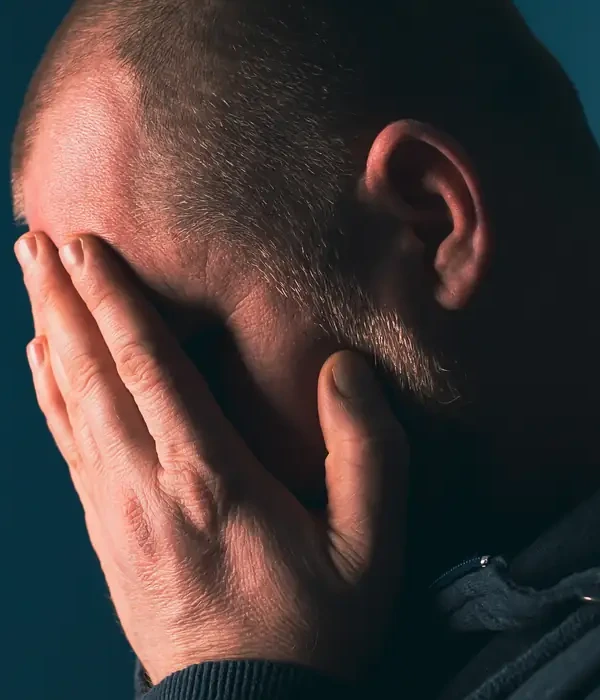
liberty-mental-health-man-hands-face-page.webp

Dual Diagnosis and Mental Health in Cannabis Recovery

Many people who struggle with cannabis dependency are also carrying the weight of underlying mental health challenges. Anxiety, depression, and mood instability don’t just complicate recovery; they can make sobriety feel out of reach. We understand how isolating it can be when you’ve tried to get better before and still feel stuck.

At Liberty Home Group, we take a deeply integrated approach that honours the complex relationship between substance use and emotional wellbeing. This is especially important for neurodivergent individuals or anyone who hasn’t responded well to past treatment attempts. 

Anxiety, Depression, and Other Co-Occurring Conditions

Using cannabis to cope with anxiety, depression, or trauma can feel like it’s helping until it’s not. When you stop, the feelings you were trying to quiet can flood back, sometimes stronger than before. This can be overwhelming and confusing, especially if you're unsure where the cannabis ends and the mental health challenges begin.

That’s why understanding and treating co-occurring conditions is so important. Lasting recovery isn’t just about stopping cannabis use; it’s about addressing the emotional pain underneath it. Through careful clinical assessment, evidence-based psychotherapy, and tools for regulating your emotions, we help you explore healthier ways to feel centred and safe without relying on substances.

Support for Neurodivergent Clients and Special Populations

Some people, especially those with ADHD, autism spectrum traits, or sensory processing sensitivities, may turn to cannabis to manage overwhelming emotions or sensory input. While this can offer temporary relief, it can also lead to dependence and increase the risk of relapse over time. 

Inclusive care at Liberty Home Group means you won’t need to explain why typical environments haven’t worked before. We consider your unique cognitive profile, physical health, and substance use history when shaping your path forward. This also extends to the needs of adolescents, people who are pregnant, and those using multiple substances, such as alcohol or synthetic cannabinoids.

liberty-therapy-woman-lab-coat-holding-tablet-page.webp

Accessing Help and Treatment Costs in South Africa

Navigating treatment options for cannabis withdrawal in South Africa can feel overwhelming, especially when you’re trying to balance urgency, quality of care, and financial pressure. Both public and private services are available, each with different levels of access, waiting times, and support structures. 

We aim to be transparent about costs, duration, and what’s included in our structured care. Families often tell us they appreciate having clear guidance up front, especially when considering independently run or extended-care options. 

Public vs Private Services

In South Africa, public mental health and addiction services are available, but they can be difficult to access, often involving long waiting periods and limited capacity. This can be particularly challenging when you're trying to get help for cannabis withdrawal before things escalate. 

That’s why we have created a private care model that allows quicker access to structured, evidence-based treatment. Our residential programme brings together a multidisciplinary team in a calm, home-like setting, where we support both your mental health and recovery journey with compassion and clinical integrity.

Medical Aid Coverage and Private-Pay Care

Cannabis withdrawal treatment may be partially covered by South African medical aids, depending on your specific plan and whether pre-authorisation is approved. However, some aspects of residential care are not always reimbursed consistently. At Liberty Home Group, we primarily operate as a private-pay provider and do not bill through medical schemes.

We understand that navigating treatment costs can be exhausting, especially at an emotionally vulnerable time. That’s why we offer clear, upfront information about fees, timelines, and referral steps so you and your family can plan with confidence and clarity. If you’re unsure about what your options are, we’re here to help you talk it through.

Aftercare and Relapse Prevention

Recovery from cannabis dependence doesn’t end when withdrawal symptoms subside. The transition out of primary care can feel both hopeful and overwhelming, and without the right support, old patterns can resurface quickly. That’s why ongoing care, or aftercare, is a vital part of your long-term recovery.

Aftercare helps you navigate real-world stressors, reconnect with responsibilities, and build confidence in your daily life. This stage may include outpatient therapy, sober living environments, peer support groups, or tools for digital recovery tracking. At Liberty Home Group, we work closely with you before discharge to create an individualised aftercare plan that supports your stability, sense of purpose, and reintegration into your community.

Next Steps: Getting Support at Liberty Home Group

If cannabis use is starting to take a toll on your life, or you’re worried about someone close to you, we understand how overwhelming it can feel. You don’t have to face this alone. Our team offers structured, clinically guided support in Cape Town, designed to build lasting change.
liberty-environment-woman-gray-sweater-jeans-stands-road-enviroment-page.webp

Frequently Asked Questions

What are the symptoms of marijuana withdrawal?

If you’re feeling more irritable than usual, struggling to sleep, or noticing a drop in your appetite or mood, these are all common signs of marijuana withdrawal. Many people also report feeling anxious, restless, or emotionally low during this period. Physically, you might experience headaches, ongoing fatigue, digestive discomfort, or night sweats.

Cannabis withdrawal symptoms often start within the first couple of days after stopping and typically intensify during the initial week. Physical effects tend to ease after about 7 to 10 days, but shifts in mood, sleep patterns, or focus may take longer to stabilise. It’s normal for progress to feel uneven, and some days may be harder than others.

Not always. Some people can manage marijuana withdrawal at home, especially if symptoms are mild and they have strong emotional and practical support. However, if you’re also navigating mental health challenges or have struggled with relapsing after trying to quit before, inpatient care can offer greater stability and structure.

Primary residential care usually lasts between 4 and 12 weeks, but this timeline can vary based on your specific needs and how you’re responding to the process. In recovery, it’s completely normal for progress to unfold at its own pace. After residential care, ongoing support like sober living or continued therapy may help reinforce your long-term wellbeing.

Our care includes regular symptom monitoring, daily therapeutic routines, and connection with compassionate professionals who are here to walk with you through each step. We focus on evidence-based psychotherapy, collaborative recovery planning, and helping you prepare for ongoing support after residential care.

Scroll to Top