+32 329 293 0116
 +31 (0)97 010 251 091
 +27 (0)60 014 4200
 +44 (0)20 4538 7771


Have you ever wondered how to tell if someone has more than just a bad hangover coming on? It’s a common question, and knowing the difference between alcohol poisoning vs hangover could save a life. Alcohol poisoning symptoms can be life-threatening, and recognising them early is crucial.
What Are the Critical Alcohol Poisoning Symptoms?
Alcohol poisoning throws your body’s basic functions out of sync when you consume a large amount of alcohol in a short period. This can happen after binge drinking or if you drink alcohol rapidly on an empty stomach. It slows breathing and heart rate, muddles your brain, and can lead to dangerous issues like choking or hypothermia.
Look for Mental Confusion and Loss of Consciousness as Alcohol Poisoning Symptoms
Mental confusion is often one of the first signs that someone has alcohol poisoning. You might notice slurred speech, trouble focusing, or a blank stare when you ask questions. High alcohol levels disrupt the brain’s ability to process what’s happening, and memory gaps or blackouts can also occur.
If things worsen, confusion can progress to loss of consciousness. If someone passes out and you can’t wake them, that’s a major warning sign since the brain may be struggling to control vital functions.
Vomiting and Choking Risks Are Critical Signs of Alcohol Poisoning
Recognising the signs of alcohol addiction early can prevent serious harm, as excessive drinking irritates the stomach and vomiting is a common symptom of alcohol poisoning. The danger rises dramatically if someone is unconscious, as alcohol affects the gag reflex and it may weaken or disappear entirely.
If someone vomits while lying on their back, they can choke, as this can block breathing and cause asphyxiation. Always turn them onto their side with the head slightly tilted back to keep the airway clear.
Avoid giving coffee and do not try to induce vomiting; it can make things worse by causing dehydration or stressing the body further. These actions will not reduce the amount of alcohol already in their system and may increase the risk of choking.
Slow or Irregular Breathing Shows How Too Much Alcohol Affects Vital Functions
Alcohol affects the part of the brain that controls breathing and heart rate. Severe poisoning can lead to slow or irregular breathing, fewer than eight breaths per minute or pauses longer than ten seconds suggest dangerous respiratory depression.
When breathing slows or stops, the brain and organs lose oxygen. This can result in loss of consciousness, bluish lips or fingertips, and even cardiac arrest.
If breathing becomes laboured or irregular, get emergency medical help immediately. Medical teams may need to provide oxygen or help with ventilation to stabilise the person.
Body Temperature Drops and Skin Changes Signal Severe Alcohol Poisoning
Alcohol widens blood vessels near the skin, causing body heat to drop quickly. Low body temperature or hypothermia can develop, especially in cold environments. You might notice cold, clammy skin or blue-tinged lips, nails, or gums as visible symptoms.
Keep the person warm with a blanket or coat and avoid cold showers, which can worsen the temperature drop. Monitor their breathing closely, if skin is blue and breathing slows, call an ambulance straight away for medical help.
Cold, pale, or bluish skin combined with slow responses is a sign that urgent medical help is needed. These skin changes are clear indicators that the body is struggling to cope with the large amount of alcohol consumed.
What Are the Signs of Alcohol Poisoning That Require Immediate Action?
Globally, alcohol poisoning represents a smaller but clearly documented share of alcohol-attributable deaths, and life-threatening alcohol poisoning can develop faster than many people realise. According to the WHO, almost 1 in 20 deaths worldwide are linked to alcohol use, across both acute causes like poisoning and injuries and chronic diseases.
If you’re unsure whether it’s alcohol poisoning, call anyway, since the condition can progress from confusion to coma within minutes.
How to Place Someone with Alcohol Poisoning in the Recovery Position
If the person is unconscious but breathing, place them in the recovery position immediately. This prevents choking if they vomit and keeps the airway open. Alcohol poisoning affects the way the gag reflex works, so this position is critical for survival.
To position them, kneel beside them, straighten their legs, and place the nearest arm at a right angle. Bring the far arm across their chest, holding the hand to their cheek, then bend the far knee and roll them gently onto their side. Finally, tilt the head back slightly to maintain a clear airway.
Stay with them continuously and keep monitoring their breathing. Never assume they will recover on their own, blood alcohol level can continue rising even after they stop drinking. The recovery position is a temporary measure while waiting for emergency treatment.
What Not to Do, Common Myths About Treating Alcohol Overdose
Many dangerous myths surround the treatment for alcohol overdose. Cold showers cause rapid temperature drops, coffee worsens dehydration, and attempting to induce vomiting dramatically increases choking risk. These actions can turn a serious situation into a fatal one.
Never let someone wander or drive after binge drinking, excess alcohol severely impairs judgment and coordination. Even small amounts of alcohol can be dangerous if blood alcohol level is already critically high. Keep them still, warm, and under constant supervision.
Teenagers and young adults are especially vulnerable to alcohol poisoning yet often believe a person will sleep off alcohol poisoning safely. Alcohol poisoning needs immediate professional treatment, your role is to maintain safety until paramedics arrive.
What Information to Give Emergency Services About Alcohol Consumption
When paramedics arrive, give clear information about the type and amount of alcohol the person drank. Describe when drinking began and when alcohol poisoning symptoms first appeared. Honest details about the pattern of drinking alcohol help medical teams assess risk and act fast.
Tell emergency services if other drugs or medications were taken alongside alcohol, mention any vomiting, seizures, or loss of consciousness, as these indicate severe effects of alcohol poisoning. Show any bottles or containers to help them estimate the level of alcohol consumed.
Moreover, describe changes in breathing, skin colour, or responsiveness since you called for help. Note if the person has any health conditions that could worsen alcohol effects, such as liver disease or diabetes. This information guides the medical team in providing appropriate alcohol detox treatment poisoning.

What Causes Alcohol Poisoning and How Much Alcohol Is Too Much?
Alcohol poisoning occurs when alcohol floods the bloodstream quicker than the body can clear it. The danger escalates sharply when someone drinks heavily in a short period, particularly with strong drinks or substances that interfere with metabolism. Recognising the signs of alcohol poisoning early can mean the difference between life and death, as the condition can worsen rapidly without warning.
Binge Drinking and Rapid Consumption Cause Alcohol Poisoning
Binge drinking, consuming several drinks in a short time, is the most common trigger for alcohol poisoning. This pattern means drinking far faster than the liver can process alcohol, which typically takes about one hour per unit. How quickly alcohol affects you can depend on genetics and alcohol dependency, as well as overall health. When alcohol intake outpaces this limit, the risk of alcohol poisoning rises dramatically.
Certain patterns sharply increase the risk of alcohol poisoning, especially among young adults who drink. Rapid consumption of shots or high alcohol content mixed drinks, competitive drinking games, and mixing alcohol with drugs or medications all overwhelm the system. Choosing potent spirits or drinking on an empty stomach allows alcohol to absorb more quickly, pushing blood alcohol concentration to dangerous levels before the liver can catch up.
The threshold for alcohol poisoning varies between patients, but engaging in binge drinking makes reaching it far more likely. Even people who regularly consume two drinks a day can experience alcohol poisoning if they consume too much alcohol in one session. The body simply cannot metabolise excessive alcohol in a short time, regardless of usual tolerance levels.
High Blood Alcohol Concentration Explains How Much Alcohol Is Too Much
Blood Alcohol Concentration, BAC, measures how much ethyl alcohol is circulating in the bloodstream, defining precisely how much alcohol is too much. As BAC rises, brain activity slows, leading to the classic symptoms of alcohol poisoning. Once BAC exceeds 0.3 percent, severe symptoms emerge, including confusion, vomiting, and dangerously suppressed breathing that can prove fatal.
The effects escalate quickly as BAC climbs. The list below shows how symptoms progress from mild relaxation to life-threatening respiratory depression. Understanding these thresholds helps explain why alcohol poisoning occurs when the body absorbs alcohol faster than it can metabolise it.
- 0.02–0.05 Mild relaxation, reduced alertness
- 0.06–0.10 Slurred speech, reduced coordination
- 0.15–0.30 Vomiting, confusion, possible blackouts
- 0.30+ Dangerously slow breathing, risk of death
If alcohol consumption continues after someone appears drunk, the intestines continue to release alcohol into the bloodstream, meaning BAC keeps rising even after they stop drinking. This delayed absorption explains why alcohol poisoning symptoms may appear suddenly after someone has already passed out. Signs and symptoms like slow breathing, pale or bluish skin, and unresponsiveness signal that the body has absorbed more alcohol than it can handle, which is why you must still suspect someone has alcohol poisoning if these signs appear.
Non Drinkable Alcohols Can Also Lead to Alcohol Poisoning
Not all dangerous alcohols come from alcoholic beverages, some alcohols are never meant for human consumption. Isopropyl alcohol, methanol, and ethylene glycol appear in cleaning products, antifreeze, and some hand sanitisers, and even small amounts can be lethal. These substances affect the heart, lungs, and nervous system differently than ethyl alcohol, often causing blindness, organ failure, or death without emergency treatment.
Alcohol poisoning can lead to permanent damage far more quickly with these toxic alcohols than with drinking alcohol that brings blood alcohol concentration up gradually. The danger of alcohol exposure from these sources is particularly high for children or anyone who might accidentally ingest them. If you suspect someone has swallowed any non drinkable alcohol, call 112 or your local emergency number immediately, do not wait to see if they feel better.
While the focus often falls on alcohol abuse and alcoholism, accidental ingestion represents a serious public health risk. Quick action saves lives, so reach out for help at the first sign of trouble.
Who Is Most at Risk of Alcohol Poisoning from Drinking Too Much Alcohol in a Short Period?
Understanding who’s most vulnerable helps you recognise when someone has alcohol poisoning and act before the effects of alcohol become life-threatening. Early intervention can prevent alcohol poisoning from turning fatal.
People Who Engage in Binge Drinking or Mix Alcohol with Other Substances Are Most at Risk
Alcohol poisoning typically strikes when a person consumes large volumes rapidly. Those who engage in binge drinking, usually defined as several drinks in a short period for men and slightly fewer for women, are especially vulnerable. The danger multiplies when mixing alcohol with sedatives, opioids, or even over-the-counter medications, as this combination slows breathing and heart rate to dangerous levels.
Drinking on an empty stomach allows alcohol to enter the bloodstream faster, raising blood alcohol concentration, BAC, more quickly. Using products with high alcohol content, such as spirits or non beverage alcohol, accelerates this process dramatically. A history of heavy drinking also matters, because while tolerance may mask some symptoms of alcohol, it does not reduce BAC or protect vital organs.
Ignoring early warning signs, like repeated vomiting, confusion, or irregular breathing, allows poisoning to escalate from manageable to life-threatening. It is easy to assume someone is just drunk when they are already in danger.
Young People, Men and Older Adults Each Face Unique Alcohol Poisoning Risks
Younger adults often binge drink in social settings, sometimes due to peer pressure or misjudging how much alcohol is too much. Their bodies may not process alcohol efficiently, and they are more likely to ignore early warning signs. This combination makes alcohol poisoning a serious threat at house parties, festivals, and university events.
Men account for the majority of alcohol poisoning deaths in South Africa, partly due to social drinking patterns and consuming larger quantities. Reluctance to seek help or admit someone has alcohol poisoning often delays life-saving treatment. The physical effects of alcohol hit men differently, but the risk is universal when BAC reaches toxic levels.
Older adults are often overlooked yet they face serious vulnerabilities. Slower metabolism, multiple medications, and age-related health changes mean even moderate drinking can raise BAC quickly. The interaction between alcohol and prescription drugs can produce unpredictable effects, turning a small amount into a dangerous dose.
People with Health Conditions or Alcohol Use Disorder Face Higher Alcohol Poisoning Risk
Health conditions dramatically affect how alcohol works in the body. Liver disease reduces the body’s ability to break down alcohol, meaning BAC rises faster and stays elevated longer. Heart or neurological conditions amplify the danger since alcohol affects breathing, heart rhythm, and body temperature regulation.
People recovering from alcohol use disorder may have reduced tolerance after a period of abstinence, making relapse episodes especially dangerous. The physical and mental health toll of chronic drinking weakens the body’s defenses, so poisoning occurs when a person consumes what might previously have seemed a manageable amount. Chronic illnesses like diabetes or pancreatitis further compromise the body’s ability to cope.
Tolerance is deceptive and offers no real protection. Feeling less drunk does not mean blood alcohol is safe, it is simply that some effects of the alcohol are masked. It is easy to reach toxic levels without realising it, putting long-term health at serious risk and increasing the likelihood of repeated issues with alcohol.

What Are the Long-Term Effects of Alcohol Poisoning?
Severe alcohol poisoning can damage organs, disrupt brain and nerve function, and create long-term health problems. The effects of alcohol poisoning extend far beyond a single night, potentially altering health for years, even for those who simply like alcohol socially.
How Does Alcohol Poisoning Damage Your Organs?
Extremely high blood alcohol levels strain the liver as it works to break down alcohol and its toxic by products. Over time, this can cause inflammation, fatty liver disease, or even cirrhosis. The National Institute on Alcohol Abuse warns that even one episode of alcohol overdose can begin this damaging process.
The heart suffers too, through disrupted rhythms, weakened muscle, and reduced oxygen supply. Blood pressure changes and oxygen loss add further strain. These are not just short-term effects of alcohol, they can become chronic problems that last a lifetime.
The kidneys struggle to maintain fluid and electrolyte balance when someone drinks too much alcohol, leading to dehydration and dangerous chemical imbalances. This is why a cold shower will not help, the problem is internal, not external. The body needs proper medical treatment for alcohol poisoning, not home remedies.
What Are the Lasting Brain and Nerve Effects of Alcohol Poisoning?
Alcohol disrupts communication between brain cells, which is why someone with alcohol poisoning symptoms may seem confused or unresponsive. Severe poisoning can reduce oxygen and blood sugar, leading to actual brain tissue damage. Effects may linger as memory problems, poor coordination, or permanent changes in behaviour.
Long-term nerve damage can cause tingling, weakness, or numbness in the limbs. These symptoms and causes are often misunderstood by people who think the person is simply drunk too much. In reality, the alcohol affects the nervous system at a cellular level.
If you suspect someone has alcohol poisoning, never assume they are just sleeping it off. Brain damage can occur quickly when blood alcohol concentrations remain dangerously high.
How Does Repeated Alcohol Poisoning Increase Risk?
Repeated episodes greatly increase the risk of chronic organ failure and disability. The duration of alcohol poisoning and how long it takes to clear the body also affects how much damage accumulates with each episode.
Each event stresses the liver, heart, and nervous system, reducing resilience over time. The question of how much alcohol is too much becomes irrelevant when the body can no longer cope with any amount.
Frequent binge drinking can lead to systemic inflammation and persistent tissue damage. Over time, even small amounts of alcohol may become harder for the body to process. This is particularly true for those who do not choose to drink moderately but find themselves trapped in a cycle of heavy use.
Repeated poisoning also raises the risk of accidents, infections, and chronic illness, potentially shortening lifespan. The long-term effects of alcohol accumulate silently until serious symptoms appear. If someone has alcohol poisoning more than once, it is a clear sign they need professional support.
Residential Treatment for Alcohol Addiction
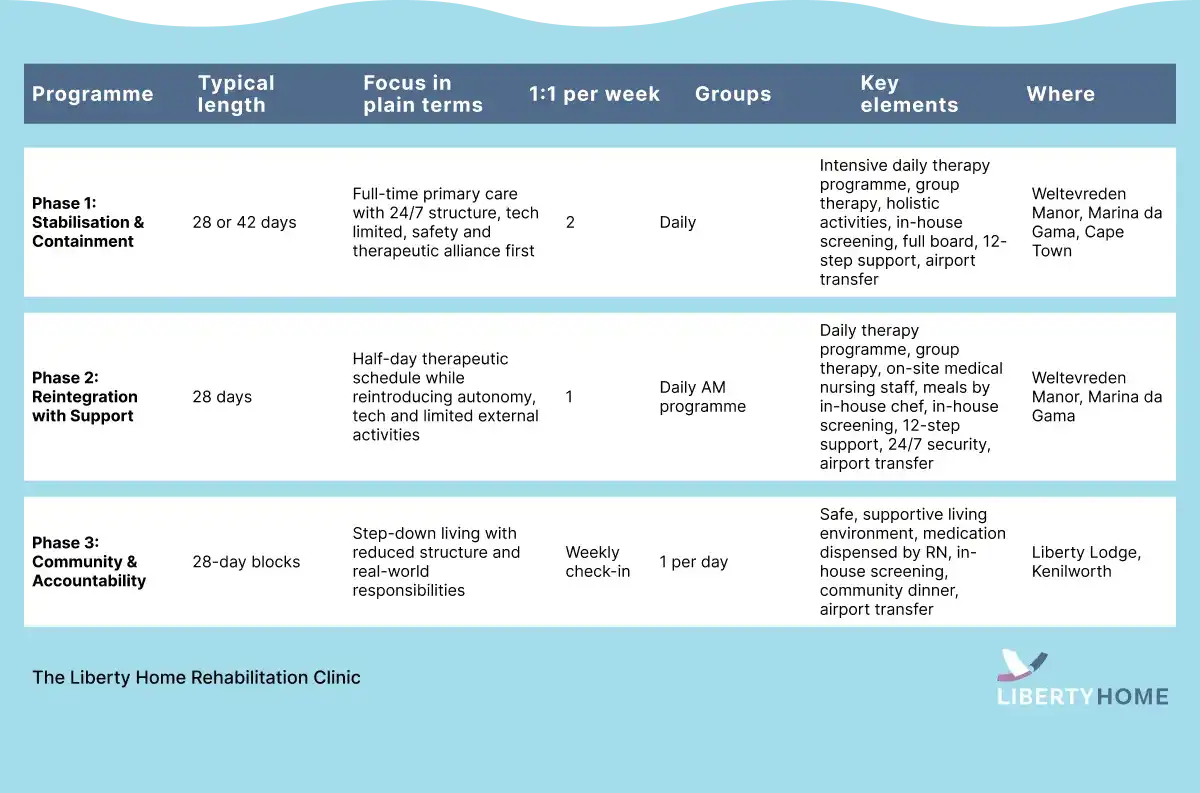
Residential treatment for alcohol addiction provides a structured, 24-hour environment where people can stabilise safely, focus fully on recovery, and receive consistent therapeutic support. It is often recommended when someone needs distance from triggers, has severe dependence, or requires medical and psychological monitoring that isn’t possible at home. By combining supervised detox, therapy, and daily routines, residential care can help people build early recovery skills in a protected setting.
In a comparative study of women receiving long-term residential substance abuse treatment drawn from three large national datasets, participants were followed via interviews 6–12 months after discharge to assess abstinence. The study included women who had entered long-term residential care for drug or alcohol problems; at follow-up a meaningful proportion reported sustained abstinence compared with pre-treatment, and overall the data suggested that long-term residential treatment was associated with favourable post-treatment abstinence rates.
Therefore, long-term residential treatment may support recovery by increasing the likelihood of abstinence in the months following treatment.
Liberty Home Can Help You Start Your Recovery Journey
If you or someone you care about is struggling with alcohol use, it is important to know that help is available. At Liberty Home, we understand the challenges of addiction and the courage it takes to seek support. Our compassionate team is here to guide you through every step of the recovery process, offering a safe and supportive environment tailored to your needs.
If you have experienced symptoms or are concerned about your drinking, reaching out for professional help can make all the difference. We are here to listen without judgment and provide the care you deserve.
Frequently Asked Questions
What are the signs and symptoms of alcohol poisoning that require immediate attention?
Confusion, vomiting, slow or irregular breathing, seizures, and pale or bluish skin are critical symptoms. If someone is unconscious and unresponsive, seek emergency medical help immediately. Liberty Home can provide guidance on recognising these signs.
How can you differentiate between alcohol intoxication and alcohol poisoning?
Intoxication typically involves slurred speech and mood changes, while poisoning includes slow breathing and unconsciousness. If breathing is irregular or the person cannot be awakened, treat it as poisoning.
What should you do while waiting for medical assistance if someone is suspected of alcohol poisoning?
Keep the person in a safe position, monitor their breathing, and prevent choking. Avoid inducing vomiting or using stimulants like coffee.
Can alcohol poisoning have long-term health effects?
Yes, severe alcohol poisoning can cause lasting damage to vital organs and impair cognitive function. Repeated episodes increase the risk of chronic health issues.
What risk factors increase the likelihood of alcohol poisoning?
Binge drinking, mixing alcohol with drugs, and having a smaller body size elevate the risk. Young adults and those with lower tolerance are particularly susceptible.
How can alcohol poisoning be prevented during social events?
Pace your drinking, stay hydrated, and eat before consuming alcohol. Planning ahead and setting limits can help prevent dangerous situations. Liberty Home offers support for those seeking help with alcohol-related concerns.