Eating Disorder Treatment in South Africa

Home Eating Disorder Treatment...

Written by:

vincent

Reviewed by: Vincent

12 min

AI Overview

  • Eating disorders are serious mental health conditions that disrupt a person’s relationship with food, body image, and emotional wellbeing.
  • At Liberty Home in Cape Town, medically stable adults receive structured residential support within a safe and respectful community.
  • Our programme addresses both eating behaviours and related challenges such as trauma, anxiety, depression, or substance use through coordinated therapeutic care.
  • With consistent guidance, practical routines, and personalised planning for life after treatment, residents build a foundation for sustainable recovery.

Understanding Eating Disorders and Who They Affect

Eating disorders are complex psychiatric illnesses that influence how a person relates to nourishment, physical appearance, and personal value. They can touch the lives of people from any community, age group, or gender identity. What may begin as dieting, control, or attempts to cope with distress can gradually become patterns that disrupt health, relationships, and daily functioning. Many individuals live silently with these difficulties because their experiences do not resemble the narrow images often portrayed in the media or because they have learned to hide their suffering behind achievement or routine.

Within Liberty Home, we work with adults who are medically stable yet continue to battle persistent disturbances in eating and self-perception. These struggles frequently exist alongside other psychological concerns or reliance on alcohol or drugs. Our setting is adapted for people with varied cognitive styles and sensory needs, combining predictability with personalised attention. Learning to notice warning signals and appreciating the toll of untreated symptoms can open the door to renewed possibilities and direction.

liberty-therapy-woman-sitting-chair-book-page

Types of Eating Disorders Treated

Our residents arrive with a wide spectrum of presentations. Some are dealing with anorexia nervosa, others with bulimia nervosa, binge-eating disorder, or presentations grouped under OSFED. A person may appear highly capable in work or study while privately feeling trapped in cycles of secrecy and emotional pain. Work around restricted intake is approached as part of a larger aim of rebuilding physical wellness, psychological stability, and connection with others through routine, therapy, and shared living.

We also welcome people who live with ARFID, which is often linked with neurodivergence, as well as those whose symptoms shift between categories. Liberty Home is not a hospital and does not deliver emergency medical intervention. Instead, we provide compassionate residential assistance for behaviours that are troubling yet not immediately life threatening, and we pay careful attention to the underlying experiences, such as fear, trauma, or dependence on substances. 

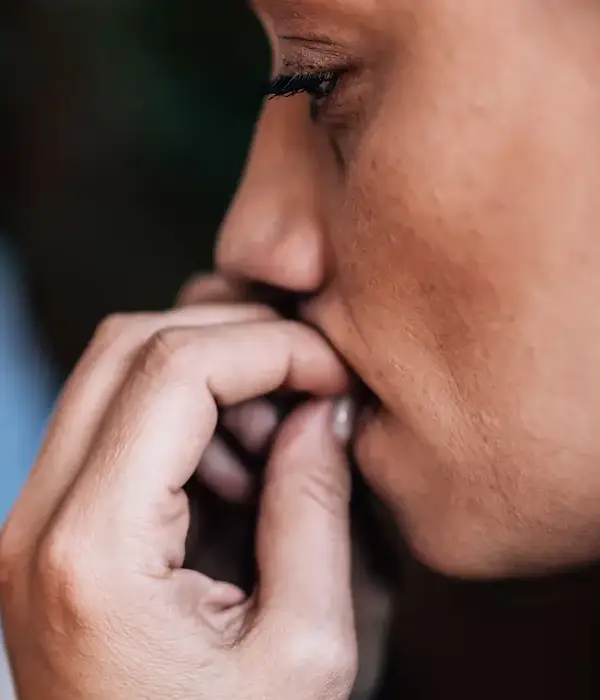
liberty-therapy-man-nose-biting-something-page

Signs, Symptoms, and Potential Medical Risks

You might notice strict rules about what or when to eat, episodes of loss of control, attempts to compensate after meals, or relentless physical training. Emotional experiences often include intense worry related to food, harsh internal judgement, and dread of bodily change. These reactions can leave both the individual and loved ones feeling bewildered, particularly when everyday responsibilities begin to suffer.

The body can also carry the burden. Complications may involve mineral disturbances, digestive problems, endocrine changes, and irregular cardiac rhythms. When health concerns intensify, urgent medical evaluation is essential to protect life and wellbeing.

After stabilisation, residential support can offer the next stage of recovery and continued guidance.

liberty-alcohol-detox-woman-long-hair-white-shirt-holding-page

How Eating Disorders Are Diagnosed and Assessed

Arriving at an accurate understanding of what is happening can feel exposing. Many people fear being misunderstood or labelled incorrectly, especially if previous encounters with professionals have been invalidating. Because disordered eating commonly appears with other psychiatric difficulties, we prioritise thoroughness, empathy, and clarity throughout the assessment journey.

At Liberty Home, outside practitioners are often involved in confirming diagnostic information and determining whether our service is the right match. Working together allows us to design a plan that reflects the whole person, their history, and their goals rather than a checklist of behaviours.

liberty-woman-writing-clipboard-prescription-drugs-page

Screening Tools and Clinical Assessments

Comprehensive evaluation usually involves medical review, exploration of nutritional patterns, and detailed conversations about thoughts, emotions, and coping strategies. Sharing these aspects of life can be uncomfortable, so we move carefully and respectfully. Instruments such as the EDE-Q and SCOFF questionnaire help illuminate patterns that might otherwise remain hidden.

Information gathered from these measures informs the therapeutic roadmap created with you. We remain in contact with referrers where appropriate, and we keep reviewing progress during your stay so that support remains responsive.

Causes and Risk Factors

There is rarely a single explanation for why someone develops an unhealthy relationship with food. Biological vulnerability, temperament, family experiences, trauma, and societal messages about shape or success may all play a role. In South Africa, delayed access to specialised help and cultural attitudes toward weight can further complicate recognition and intervention.

True healing involves more than normalising meals. Our work explores emotional wounds, belief systems, and contextual influences so that change is deep and sustainable.

liberty-woman-wrapped-blanket-sitting-couch-sex-porn-addiction-page

Treatment Approaches and Levels of Care in South Africa

Effective intervention typically draws on several disciplines, combining psychotherapy, guidance around eating patterns, and opportunities to practice new behaviours in the community. Across South Africa, options include emergency hospital admission for critical situations as well as longer-term environments centred on rehabilitation. Liberty Home provides non-acute residential care for adults, many of whom also manage mood difficulties, trauma histories, or substance dependence.

We concentrate on building steadiness and routine so that residents can gradually repair their connection with food, themselves, and other people. Participation requires enough physical and psychiatric stability to join groups and participate in daily activities. Individuals needing intensive monitoring are referred to appropriate services before admission. Those who come to us after brief or narrowly focused programmes often discover that extended time and consistent relationships allow deeper transformation.

What to Expect During Treatment

Preparing to stay with us can bring mixed emotions. Hope may sit alongside doubt, particularly if previous attempts at therapy have disappointed. We respect that ambivalence and strive to cultivate honesty, reliability, and mutual regard from the outset.

Structure and community are introduced progressively. A stable rhythm, combined with encouragement from staff and peers, can make it easier to reconnect with your physical sensations and inner life. Progress may include setbacks, yet steady support helps maintain direction.

Each day follows a planned schedule that includes shared meals, individual sessions, educational groups, and periods for rest. Opportunities to contribute to household life are added step by step, supporting reconnection with responsibility and belonging. Throughout, team members offer guidance, clear feedback, and empathy.

By reflecting on experiences and setting achievable aims, residents begin reshaping long-standing assumptions about worth, identity, and nourishment.

Our programme is designed for grown men and women from both local communities and other countries who seek substantial, enduring change. Many have demanding professional histories or have cycled through brief admissions without finding stability. Stepping away from familiar environments can create valuable room for reconsideration and renewal.

We focus on autonomy and insight. English is used in treatment, and staff remain attentive to cultural adjustments. Unlike adolescent services, our work emphasises self-direction rather than parental management.

Preparation for departure begins well before the final day. Together, we map out strategies for maintaining progress and identify resources that will support continued wellbeing. Plans may involve outpatient therapy, peer groups, or coordination with clinicians in your home region.

The purpose is to ensure that connection and accountability extend beyond the residence. Recovery unfolds over time, and reliable networks make persistence more attainable.

Respect for each individual underpins our practice. On arrival, we explain how treatment operates, what responsibilities we hold, and what rights belong to you. Privacy is guarded according to national ethical requirements, with disclosure occurring only when safety or law demands it.

We want every resident to feel secure, informed, and able to participate actively in decisions about their care.

liberty-red-stel-clipboard-prescription-drugs-page.webp

Costs, Medical Aid, and Quality Standards in South Africa

Considering financial aspects can add stress to an already difficult decision. Within South Africa, services range from public options to private residential settings. Liberty Home operates on a self-funded basis and communicates fees and expectations openly so that families can plan with clarity.

Our dedication to ethical practice and evidence-informed methods guides the entire process from entry through discharge.

Understanding Private-Pay Treatment

Funding generally comes directly from individuals or relatives. We do not process claims with medical aid schemes or overseas insurers, which allows administrative simplicity and transparent pricing. Staff are available to discuss expenses straightforwardly and respectfully.

Although outside insurance frameworks, the depth and continuity of care provide significant value for those pursuing sustained improvement.

Accreditation and Licensing in South Africa

Professional accountability is essential. Members of our clinical staff maintain registration with bodies such as the Health Professions Council of South Africa and the South African Council for Social Service Professions. Standards set by these organisations shape supervision, ethics, and the scope of practice.

Transparency regarding credentials helps families feel assured that they are engaging with a responsible and properly governed service.

Why Choose Liberty Home for Eating Disorder Recovery?

Selecting where to seek help is profoundly personal. Liberty Home aims to provide more than therapy sessions by nurturing an atmosphere of trust and authentic human connection. Improvement involves rediscovering identity and possibility, not merely interrupting harmful habits.

Our staff accompany residents through uncertainty as well as achievement. Many people have moved from secrecy toward confidence within this environment. Guided by compassion and professionalism, we support the reclaiming of voice and intention.

Integrated Addiction and Mental Health Care

When difficulties with food exist alongside substance misuse, exhaustion, or unresolved trauma, the picture can be complicated. We explore how these elements interact, paying attention to emotional triggers and relational patterns.

Adults who have carried pain for years often find relief in an approach that recognises the full story. Partnership rather than isolation defines the journey.

liberty-environment-woman-green-dress-smiles-while-walking-street-page
liberty-therapy-woman-sitting-couch-writing-blog (1)

Getting Help for an Eating Disorder

If you or someone close to you is struggling, assistance is within reach. Contact our team in Cape Town to discuss the residential option. Conversations are private, and every individual’s experience matters. Change is achievable, and we are ready to accompany you.

Frequently Asked Questions About Eating Disorder Treatment

How do I know if I have an eating disorder?

You may observe persistent thoughts about food, dissatisfaction with appearance, episodes of overeating or compensatory behaviour, strict dietary laws, or fear of weight increase. Even partial identification with these experiences is reason enough to seek advice.

Many centres, including Liberty Home, are prepared to help when several concerns occur together. Anxiety, mood disturbance, trauma, and reliance on substances frequently interact with eating patterns. Integrated work aims to uncover the deeper dynamics that sustain difficulties, allowing more durable progress.

Length of stay differs from person to person. Factors include the nature of the illness, responsiveness to therapy, and resources available afterwards. Our service provides extended residential care, sometimes lasting weeks and sometimes months, until sufficient stability and skill development are achieved.

Understanding funding arrangements can be confusing. Certain hospital or outpatient interventions may qualify for support through medical aid, particularly in public settings. Private residential facilities like Liberty Home usually require direct payment and are not commonly reimbursed.

Scroll to Top