Meth Addiction Treatment in Cape Town

Home Meth Addiction Treatment...

Written by:

vincent

Reviewed by: Vincent

AI Overview

  • Meth Use and Its Impact in South Africa
    Methamphetamine (“tik”) is a highly addictive stimulant with widespread use in South Africa, especially in the Western Cape. Its low cost and availability have led to serious consequences for individuals, families, and communities.
  • Health Effects and Early Warning Signs
    Meth use causes severe physical and psychological harm, including heart strain, dental damage, weight loss, paranoia, memory problems, and mental health disorders. Early signs include sudden weight loss, sleep changes, mood swings, secrecy, and neglect of responsibilities.
  • Comprehensive Treatment and Recovery Approach
    Effective recovery involves structured, long-term care that may include detox support, residential treatment, evidence-based therapies (like CBT, Matrix Model, and motivational interviewing), and integrated mental health care for co-occurring conditions.
  • Ongoing Support and Pathways to Long-Term Recovery
    Recovery continues beyond rehab through relapse prevention, sober living, peer and family support, and community resources. Liberty Home Group offers phased residential care, ethical clinical support, and continued guidance to help individuals rebuild stable, meth-free lives.

Understanding Methamphetamine Use and Its Effects

Methamphetamine, commonly known as meth, tik, or crystal meth, is a powerful stimulant that directly affects the central nervous system. In South Africa, meth use has risen significantly over the past two decades, particularly in urban areas and among younger people. 
 
People who use meth often experience intense short-term effects, such as bursts of energy, reduced need for sleep, and heightened alertness, but these may be accompanied by paranoia, mood swings, or risky behaviours.
 
Over time, the toll can deepen, with more serious issues like cardiovascular strain and lasting challenges in memory, focus, and emotional stability. Understanding what meth use disorder looks like and how it affects the brain and body can help you know when it’s time to seek help. 

drug person
liberty-alcohol-detox-woman-long-hair-white-shirt-holding-page

How Common is Meth Use in South Africa?

Methamphetamine has become one of the most widely misused illicit drugs in South Africa, especially in the Western Cape, where ‘tik’ is a household term. According to the South African Community Epidemiology Network on Drug Use (SACENDU), tik is frequently reported as the primary substance of concern at treatment centres, particularly in Cape Town. Its low cost and easy availability mean it affects people across all walks of life, bringing significant challenges not only for individuals but for families, schools, and entire neighbourhoods.

Common Physical and Psychological Impacts

Meth use can have serious impacts on both your body and mind. Physically, it raises heart rate and blood pressure, putting stress on your cardiovascular system. Over time, long-term use is also associated with severe dental problems (often referred to as ‘meth mouth’), drastic weight loss, and skin sores caused by repetitive scratching.
 
The psychological effects can be equally distressing. Many people experience agitation, paranoia, vivid hallucinations, and increasing difficulties with memory and concentration. In some cases, prolonged use can lead to lasting mental health conditions like anxiety, depression, or psychosis.
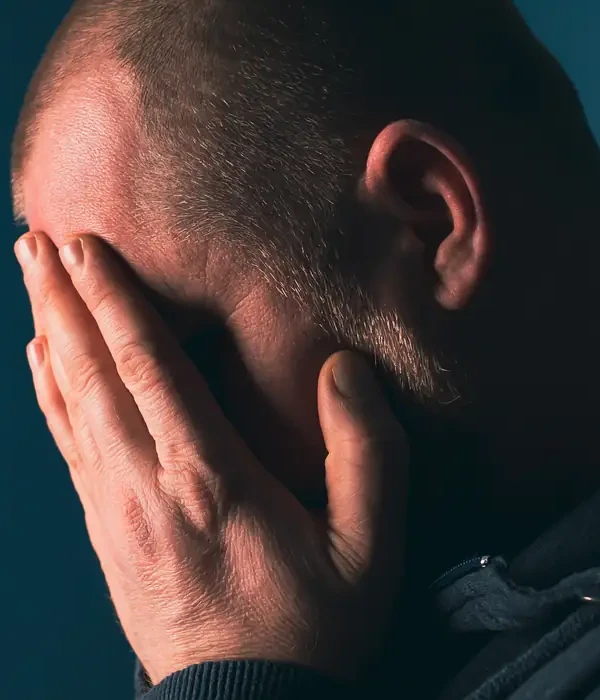
liberty-mental-health-man-hands-face-page

Early Signs of Problematic Meth Use

Noticing the early signs of methamphetamine use can be difficult, especially if it’s someone you care about, or even yourself. You might see sudden weight loss, changes in sleep patterns, or shifts in energy levels, such as intense bursts of activity or irritability. These could be some of the first signs pointing toward meth addiction.
 
You may also notice behavioural changes, like someone becoming withdrawn, secretive, or beginning to neglect everyday responsibilities. In certain cases, repetitive movements, paranoia, or sudden emotional swings can appear even in the earlier stages of use. Recognising these patterns isn’t easy, but paying attention to them is a courageous and important first step.
liberty-group-therapy-people-sitting-around-table-page.webp
Our residential approach helps you feel safe and supported from your first day with us. You’ll move through clearly defined phases, starting with stabilisation, followed by therapeutic immersion, then lifestyle development, and ultimately, preparation for reintegration. Each stage builds toward greater confidence and autonomy, allowing you to reconnect with your values and goals at a sustainable pace.
 
We design each day with care and purpose. Your schedule will include a balance of individual therapy, group sessions, psychoeducation, and practical life skills training. Shared responsibilities, nourishing meals, and restful downtime all contribute to a rhythm that feels stable and manageable, especially during early recovery.
It’s completely normal to feel anxious or uncertain about the detox process. Meth withdrawal can bring on intense fatigue, emotional shifts, and cravings. While it’s typically not medically dangerous, it can still feel overwhelming.
 
If you or your loved one needs medical detox, we work with trusted external facilities that provide safe, supervised care before joining our programme. Throughout this phase, our clinical team stays connected to ensure continuity and prepare for a warm, supported transition into residential treatment. 
We understand how overwhelming it can feel to face both meth addiction and underlying mental health challenges like anxiety, depression, or trauma-related conditions. These experiences can be deeply intertwined, and it’s not always easy to know where to start. That’s why we take a dual-diagnosis approach, allowing us to support you in addressing both substance use and emotional wellbeing at the same time, rather than treating them in isolation.
While there’s currently no medication that directly treats meth addiction itself, certain psychiatric or supportive medications may be used to ease related symptoms, such as disrupted sleep, anxiety, or mood swings. If needed, we coordinate with trusted external prescribers to ensure your care remains comprehensive and tailored. We also place strong emphasis on emotional and nervous system regulation.
 
Tools like mindfulness practices, movement therapy, and sensory grounding help many of our clients manage stress, reduce triggers, and feel more present in their bodies. For example, some clients find that a morning walk or guided breathwork helps ease agitation and create a sense of inner control.

Residential Treatment Programme at Liberty Home Group

At Liberty Home Group in Cape Town, we offer compassionate, structured residential care for adults navigating meth addiction and co-occurring mental health challenges. While medical detox is arranged through our trusted clinical partners when needed, we work closely with you to ensure a calm, safe transition into therapeutic care and shared community life.
 
Our programme is rooted in the principles of long-term recovery. You’ll live in a warm, home-like setting with consistent therapeutic support and daily structure, helping you rebuild a sense of stability and purpose. Throughout your stay, you’ll experience evidence-based approaches tailored to your needs, with room for reflection, growth, and genuine connection.

Therapies That Help Break Meth Dependence

Our core therapeutic tools are based on cognitive-behavioural and trauma-informed frameworks. These evidence-based approaches aren’t just techniques; they’re ways for you to explore what’s driving your substance use, recognise self-defeating patterns, and imagine a different future. 
 
Each therapeutic plan is personalised because every person’s story and readiness for change are unique. Some therapies, like Cognitive Behavioural Therapy, help you map the link between thoughts, urges, and actions. Others, including the Matrix Model and contingency management approaches, create structure and motivation during early recovery.
We also integrate motivational interviewing and family-based work to strengthen your motivation and repair key relationships. Over time, these sessions can become powerful turning points: moments where you reclaim your sense of agency, connection, and hope. 

Cognitive Behavioural Therapy (CBT) 

CBT helps you explore the patterns of thinking, feeling, and behaving that may keep meth use in place. In recovery, it can guide you to recognise high-risk situations and begin practising healthier ways to respond. 
 
Over time, you begin to spot triggers before they take hold and develop tools to manage cravings more confidently. CBT is a structured, goal-oriented approach that we offer in individual and group settings, creating a safe space for discovery and growth.
liberty-mental-health-woman-hands-face-page.webp

Contingency Management and the Matrix Model

Contingency management offers positive reinforcement, such as small rewards or incentives, to encourage meth-free days and help build motivation over time. It’s a practical and supportive way to reinforce healthy choices during early recovery. The Matrix Model is a more structured approach, specifically developed for methamphetamine use, that blends cognitive behavioural therapy (CBT), relapse prevention tools, and family involvement.
liberty-woman-using-laptop-computer-sex-porn-addiction-page

Motivational Interviewing and Family-based Approaches

Motivational interviewing (MI) helps you explore your own reasons for making a change. It’s a compassionate, non-judgemental approach that meets you exactly where you are and supports your movement toward active commitment. When appropriate and with your consent, we also involve families in the healing process.
 
Meth addiction can deeply strain relationships, leaving loved ones unsure of how to help. We offer education and tools to improve communication and rebuild healthy boundaries. For families who may feel exhausted or uncertain, we want you to know that change is possible—and you don’t have to go through it alone.
liberty-drug-detox-woman-dark-room-smoke-cloud-banner
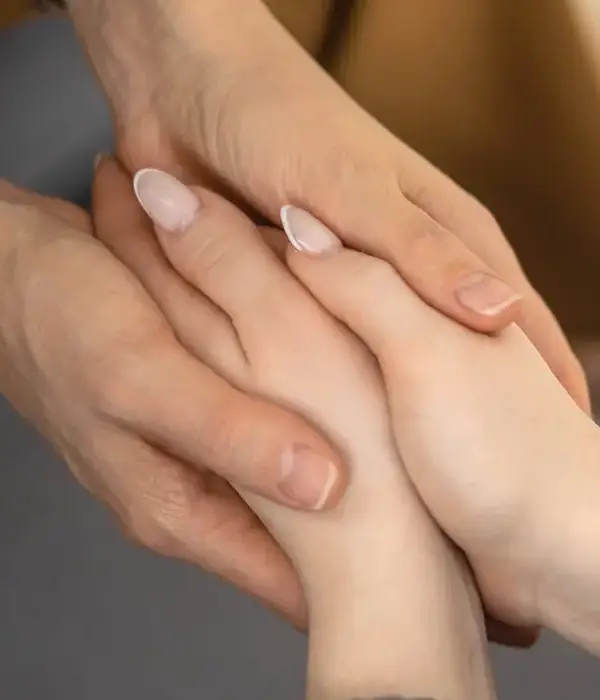
liberty-therapy-woman-holding-hands-man-hand-page.webp

How Long Rehabilitation Takes and What to Expect Along the Way

Meth addiction treatment isn’t a quick fix, but with time, support, and the right structure, change is absolutely possible.
 
Most people benefit from engaging in care over several months. This allows enough time to stabilise, explore the underlying reasons for substance use, and build the tools needed to live more freely and fully without meth. At Liberty Home Group, we guide you through a clear and compassionate pathway that begins with assessment and continues through residential care and into ongoing support within our sober living community.

How Long Does a Meth Addiction Treatment Plan Last?

While there’s no one-size-fits-all answer, the length of treatment reflects the time needed for real healing, not just symptom management. Most people spend between 8 and 16 weeks in our residential programme, depending on their personal history and needs.

From there, many continue in our sober living environment to maintain structure and support as they build confidence in daily life. A full recovery journey may stretch across several months, allowing space to address not just meth use, but also mental health, routines, and relationships that support long-term stability.

Treatment Phases at a Rehab Centre

When you arrive, we begin by getting to know you, your experiences, challenges, and goals, through a comprehensive psychological and psychosocial assessment. This helps us shape a care plan that’s as individual as you are. Early on, the focus is on helping you feel safe and grounded, both physically and emotionally.

As you become more stable, we shift into deeper therapy work and support you in building practical life and coping skills that will serve you well in the real world. Toward the end of your stay, reintegration planning becomes central. That might involve vocational guidance, preparing for sober living, or involving your loved ones in family sessions

liberty-drug-detox-man-hoodie-looking-camera-page

Life After a Rehab Clinic: Relapse Prevention and Continued Support

Recovery from meth addiction doesn’t suddenly become easy when residential treatment ends. In fact, for many people, the transition into everyday life can bring fresh uncertainty; fear of relapse, feelings of isolation, or not knowing how to structure life without old habits. That’s why continued support is such a vital part of what we offer.
 
Our long-term recovery support includes sober living homes here in Cape Town, where you can rebuild routine in a safe, accountable environment with others on the same path. These homes are structured but homelike, designed to promote healthy independence while still offering daily support.

Peer Support, Family Involvement, and Community Resources

We place high value on interpersonal healing, whether it’s through shared moments in peer-led groups or a family session where loved ones begin to reconnect through guided dialogue. These connections can help you feel supported, understood, and less alone as you rebuild your life. When appropriate, we involve families in the recovery process to strengthen relationships and encourage open, healthy communication.

After discharge, we also help you connect with NA/12-step communities, psychosocial outreach, and other community-based services aligned with your personal values and recovery goals.

Step-down Options Like Sober Living in Cape Town

Choosing sober living in Cape Town can help you stay grounded and supported as you begin to rebuild your life after residential treatment. Our environment offers a safe, structured home where you can ease back into everyday responsibilities at your own pace. With daily routines, therapeutic check-ins, and ongoing peer connection, you'll have space to explore work, learning, or independent goals while staying gently accountable within a caring community.


If you’re trying to understand your options for meth addiction treatment in South Africa, it’s important to know how public and private care systems differ, especially when time, cost, and availability matter. Public treatment is typically offered through government hospitals or provincial health departments. These programmes are often more affordable or free for citizens, but services can be limited and waitlists long.
 
Access usually requires a referral from a clinic, social worker, or healthcare provider, along with documentation like ID and proof of residence. Private treatment, like what we offer at Liberty Home, gives you quicker access to a structured residential programme without waiting periods. For those who can self-fund or use private insurance, this can make the difference in getting the support you need when you’re ready to begin.


Some medical aid plans in South Africa may provide partial cover for addiction treatment, depending on whether the programme meets the criteria for Prescribed Minimum Benefits (PMBs). In most cases, preauthorisation is needed before admission, and you might be responsible for a co-payment. While Liberty Home is not contracted with the major medical schemes and operates primarily on a private-pay basis, our team will support you in understanding the process.


In South Africa, any reputable rehabilitation centre must be registered with the Department of Social Development to offer inpatient or residential treatment services. Clinical team members are required to hold recognised qualifications in addiction treatment, psychology, social work, or psychiatry.
 
This ensures that care is delivered safely, ethically, and with respect for your wellbeing. At Liberty Home, we don’t just meet these standards; we are committed to upholding them every day through professional integrity, compassion, and a deeply client-centred approach to recovery.

In South Africa, your rights as a patient in substance use treatment are protected under key laws such as the Mental Health Care Act and the Protection of Personal Information Act (POPIA). These safeguards are designed to ensure your confidentiality, data privacy, and fully informed consent every step of the way. 

There are several types of meth addiction treatment programs available in South Africa, each designed to meet different needs. Outpatient options may suit individuals with milder symptoms who need more flexibility to continue daily responsibilities at home. Inpatient hospital units tend to support complex medical cases that require short-term stabilisation.
 
For those looking for more immersive, longer-term healing, private residential programmes like the one we offer at Liberty Home provide daily structure, therapeutic support, and a safe, supportive environment to begin rebuilding. When exploring your options, it’s important to reflect on your needs, including the level of medical care required, how much time can be committed to treatment, and financial considerations. Understanding what each level offers can help you take the next step toward care that truly supports lasting recovery.

Access, Costs, and Accreditation in South Africa

Exploring meth addiction treatment in South Africa can bring up a lot of practical concerns, such as costs, eligibility, and how to know you’re choosing a safe, credible programme. We understand how overwhelming that can feel, especially when you’re trying to make the right decision for yourself or a loved one. At Liberty Home Group, we’re a private-pay provider offering residential care that’s fully registered with the appropriate South African authorities.
 
That means we meet the regulatory standards for safety, oversight, and quality of care. While public treatment options are available in South Africa, they can involve long wait times or limited availability. If you’re considering private care, we’re here to help you understand what’s involved, including funding options, registration standards, and what to expect.

Why Choose Liberty Home Group for Meth Recovery?

At Liberty Home Group, we create a compassionate, clinically grounded space for recovery in Cape Town; one that respects your dignity and your pace of change. Our residential programme is designed for adults who are truly ready to build lasting change.
 
You’ll be surrounded by a small, supportive community and guided by experienced clinicians who tailor each step to your needs, whether you’re neurotypical or neurodivergent. Each day supports personal growth through a balance of structure, trust, and emotional safety.
 
We work hard to maintain confidentiality and ethical care at every level. Our team blends evidence-informed methods, phased recovery planning, and a deep commitment to stability, so you’re not just stopping use, you’re reshaping your life with the support you deserve.
liberty-alcohol-detox-man-beard-hat-page

Clinical Professionals and Structured Care

Our experienced team, made up of psychologists, social workers, and addiction specialists, works closely together to ensure your care is thoughtful, coordinated, and grounded in proven approaches. We focus on clarity, honesty, and consistency, rather than flashy promises or luxury-driven marketing. You’ll experience this in the way we communicate openly, maintain steady routines, and guide each step of your recovery with intention.
liberty-therapy-woman-sitting-couch-laptop-page

Integrated Mental Health and Addiction Treatment 

Meth addiction often comes with deep emotional pain, anxiety, or unresolved mental health challenges. Our integrated approach combines evidence-based addiction treatment with mental health care that meets you where you are emotionally.
 
You’ll step into a calm, home-like setting where you’re treated with dignity, not judgement. It’s a space designed to feel safe and contained, yet structured to help you rebuild trust in developing healthy, lasting habits for recovery.
liberty-executive-woman-white-shirt-grey-blazer-jacket-page

International Clients Welcome

We welcome clients from across the globe who are looking for meaningful, ethically guided recovery in a supportive environment. Many individuals choose our programme to access high-quality care that balances value with clinical integrity, especially when comparable services may be financially out of reach in the US or Europe. For those travelling from abroad, we work closely with you to ease the transition and provide a consistent, stabilising environment far from daily triggers.
liberty-environment-man-standing-balcony-enviroment-page.webp

Frequently Asked Questions About Meth Addiction Treatment

What should I expect during the meth detox process in South Africa?

Detox from meth is often less physically dangerous than withdrawal from substances like alcohol, but can still include severe fatigue, depression, anxiety, and cravings. In South Africa, detox may be provided through hospitals or medical facilities before entering residential treatment. 
South Africa offers a spectrum of care, including public outpatient services, inpatient hospital units, and private residential rehabilitation centres like Liberty Home. Programme types vary based on funding, medical needs, and clinical severity. 
Research supports several therapies for meth addiction, including Cognitive Behavioural Therapy (CBT), contingency management, the Matrix Model, and motivational interviewing. These modalities help individuals change patterns of use, stay engaged in care, and build new coping skills for long-term recovery.
Many treatment centres in South Africa offer dual diagnosis care that addresses both substance use and mental health conditions simultaneously. An integrated approach is often essential for those dealing with depression, anxiety, trauma, or neurodivergence alongside meth use.
Coverage depends on your specific medical aid plan and whether the treatment qualifies under Prescribed Minimum Benefits (PMBs). Some costs may be reimbursed with proper documentation. Liberty Home operates on a private-pay basis but can support you in understanding your medical aid’s requirements.
Scroll to Top