Opioid Addiction Treatment in Cape Town: Residential Rehab Centre

Home Opioid Addiction Treatment...

Written by:

vincent

Reviewed by: Vincent

Understanding Opioid Use Disorder 

Opioid Use Disorder (OUD) is a chronic medical condition marked by a pattern of opioid use that leads to significant distress or disruption in daily life. It can affect people from any background and often develops from both medically prescribed opioids, such as codeine or morphine, as well as illicit drugs like heroin. Confronting OUD for the first time, whether for yourself or someone you care about, can feel overwhelming, confusing, and even isolating.
 
In South Africa, the rate of opioid dependency has been rising, especially among young adults. Responding to this challenge calls for more than just medical intervention; it requires thoughtful, personalised care that addresses each person’s physical, emotional, and psychological well-being.

liberty-alcohol-detox-woman-head-hands-page
liberty-drug-detox-bottle-filled-pills-next-man-page

Is There A Treatment Programme?

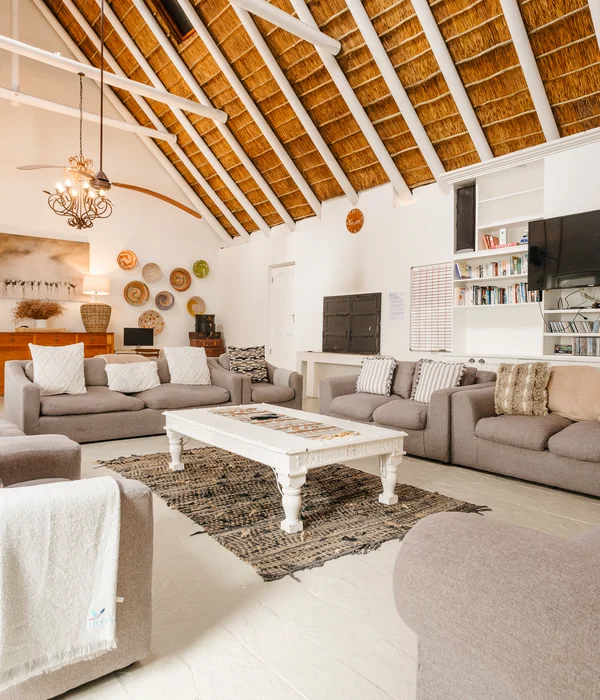
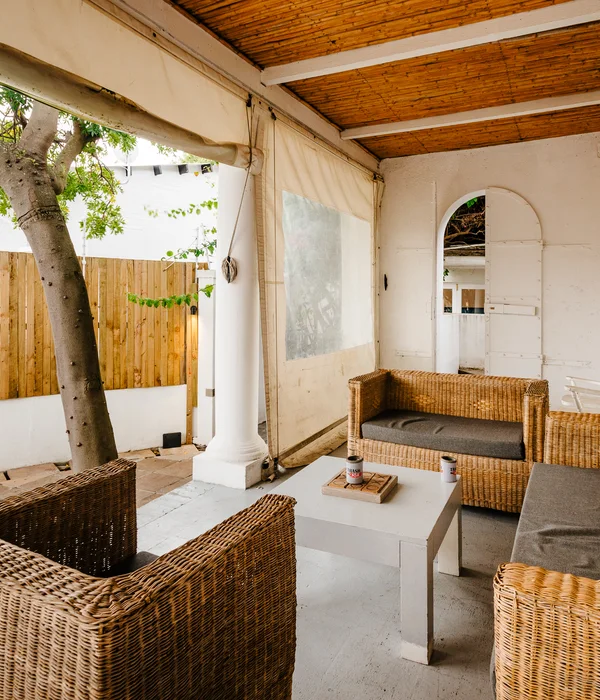
Evidence-based treatment for OUD typically includes a combination of medication, individual and group therapy, and long-term support, adapted to the person’s stage of recovery and unique needs. While public and private treatment pathways exist in South Africa, they vary in terms of access, structure, and available supports. At Liberty Home Group, we offer an alternative that emphasises structured, clinically guided residential care in a home-like setting.
 
Our Cape Town rehabilitation programme is designed for individuals seeking a stable, long-term environment outside of hospital-based detox or acute psychiatric care. Treatment may follow initial medical stabilisation through public or private channels, with our team then supporting clients through primary residential care and into structured sober living. 

Diagnostic Criteria and Severity Levels

OUD is identified using the DSM-5, a clinical guide used worldwide.
To meet the criteria, a person must experience at least two of the eleven symptoms within 12 months. These may include intense cravings, needing more of the substance to feel the same effect, or continuing use despite clear consequences. The severity of OUD is classified as mild (2–3 symptoms), moderate (4–5), or severe (6 or more).
 
Understanding where you or your loved one falls on this scale helps determine the level of care that’s most appropriate. Knowing there’s a clear framework behind the diagnosis can provide a starting point for moving forward with the right kind of support.
liberty-group-therapy-people-sitting-around-table-page.webp

What Opioid Addiction Rehab Clinics are Available in South Africa?

We offer a structured residential programme and sober living support in Cape Town for individuals ready to step away from the stressors of daily life and focus fully on recovery. Our home-like setting provides a clinically guided, therapeutic environment especially suited for those who need stability and a longer-term path to overcoming opioid use. While we do not offer on-site detox, many of our residents begin with short-term stabilisation in a hospital before transitioning into our care.
 
Across South Africa, treatment options can vary and may include outpatient counselling, harm reduction programmes, and medication-assisted treatment (MAT), typically accessed through specialist providers or psychiatrists. However, navigating this system can feel overwhelming. We’re here to simplify that process. Our team will guide you through the available steps and create a plan that fits your unique clinical needs, background, and recovery goals. 
liberty-group-therapy-two-women-sitting-chairs-talking-each-page
We begin with a thorough, compassionate assessment led by our multidisciplinary team. We take the time to understand your substance use history, co-occurring mental health conditions, physical health status, and the social and family dynamics that shape your life. 
 
Using what we learn together, we develop a personalised care plan that adapts as your needs evolve throughout your recovery journey.
During opioid addiction treatment, you can expect a structured daily routine designed to support your healing on multiple levels. This includes one-on-one therapy, group sessions, psychoeducation, and opportunities to connect with others through community-based activities. Our team integrates evidence-based mental health care that addresses substance use along with underlying conditions like anxiety, trauma, or depression.
 
It’s completely normal to experience moments of doubt, fear, or emotional ups and downs, especially at the start. We’re here to walk alongside you, adapting your treatment plan as your needs evolve throughout your stay. As you grow in stability and confidence, you’ll have the chance to transition into sober living, ensuring continued support as you move toward long-term independence and recovery.
Before entering our rehabilitation facility, most individuals begin with a medically supervised opioid detox to help manage withdrawal symptoms in a safe, supportive environment. This initial phase typically lasts several days and is carried out through a trusted hospital or specialist detox clinic.
 
While we don’t provide detox onsite, we work closely with these clinical partners to coordinate care and ensure a seamless, stabilising transition. Once you’re medically ready, you’ll join us at Liberty Home Group to begin the deeper work of long-term recovery in a therapeutic residential setting.

What Residential Opioid Rehab at Liberty Home Group Involves

Our residential opioid rehab centre in Cape Town offers a structured, clinically supervised environment designed to support long-term recovery in a home-like, non-hospital setting.
 
This isn’t a place where you’re rushed through a programme; it’s where you’ll find space to stabilise, reflect, and begin meaningful change with the guidance of an experienced clinical team. While we don’t provide medical detox, we coordinate closely with trusted medical partners to help you move safely through withdrawal before beginning the residential phase. Once admitted, you’ll follow a clear daily rhythm that might include group therapy, individual sessions, psychoeducation, and restorative time in the community, rooted in accountability, but never without compassion.

Medication-Assisted Treatment (MAT): Safety, Medications, and Monitoring

Medication-Assisted Treatment (MAT) can be an important part of recovery for many people living with opioid use disorder. It combines carefully prescribed medications with therapeutic support to reduce cravings, ease withdrawal symptoms, and support long-term stability. While some people feel uncertain or even ashamed about turning to medication as part of their treatment, please know that MAT is a well-researched, evidence-based approach.
 
Although we don’t provide or dispense MAT medications onsite at Liberty Home Group, our clinical team works closely with trusted external providers who specialise in this treatment. 

Which Medications are Used in Medication-Assisted Treatment?

In South Africa, the most commonly used medications for opioid addiction are methadone and buprenorphine. These medications help ease withdrawal symptoms and reduce cravings, making it easier to focus on recovery. Naltrexone, available in both daily and long-acting forms, can be used to block the effects of opioids and support relapse prevention.
 
It’s important to know that these medications are evidence-based, medically approved, and prescribed by qualified healthcare providers. Decisions around MAT are made collaboratively, based on what feels right for your personal circumstances, goals, and medical needs.
liberty-red-stel-clipboard-prescription-drugs-page.webp

Safety, Interactions, and Clinical Oversight

When used under proper medical supervision, MAT is both safe and clinically effective. Your treatment will be closely monitored by professionals who stay attuned to how you’re responding whilst watching for any side effects, medication interactions, or emotional shifts that may occur. We work in close partnership with prescribing providers and, when needed, your primary care doctor to ensure that any co-occurring mental health or medical concerns are fully considered.

therapy group
liberty-living-room-couches-television-client-page-2.webp

Therapies We Use: Evidence-Based Addiction and Mental Health Care

Effective treatment for opioid use disorder involves more than just medication. We focus on therapies that support meaningful, lasting change, helping you understand not only the patterns of substance use but also the emotional and psychological drivers behind them. Our team uses clinically proven approaches while creating space for you to reconnect with yourself, manage distress in healthier ways, and build stronger relationships.

Cognitive Behavioural Therapy (CBT) and Motivational Approaches

Cognitive Behavioural Therapy (CBT) helps you recognise the thought patterns and behaviours that contribute to substance use, while developing practical, healthier ways to cope with stress, anxiety, or emotional pain. Motivational Interviewing supports your own reasons for change. These approaches aren’t just clinical tools; they’re often where people begin to feel heard, understood, and more in control of their path forward.

Supportive Group and Family-Based Therapy

Many loved ones arrive feeling exhausted, unsure how to help, and in need of healing themselves. Group therapy creates a safe, supportive space where you can connect with others facing similar challenges, building accountability and insight through shared experience.

Our family sessions focus on rebuilding trust, improving communication, and establishing healthy boundaries. When it’s clinically appropriate, we include loved ones in the recovery process, using psychoeducational tools to help everyone better understand the dynamics of addiction and mental health. 

Because opioid addiction often overlaps with challenges like depression, anxiety, or a history of trauma, our treatment approach is fully integrated. You’ll work with clinicians who understand both addiction and mental health, so you won’t have to navigate separate systems or feel like your care is fragmented. This kind of support can bring real relief as it means your experience is seen as a whole, not reduced to isolated symptoms.
 
Medication reviews and trauma-informed therapy are important parts of the process, all tailored to help you feel more stable, understood, and supported.
Recovery planning begins early in your treatment journey and continues throughout our sober living programme. In this supportive environment, you’ll have the space to strengthen relapse prevention skills, reconnect with healthy routines, and engage in a community that understands your path. We help you build a sustainable foundation by connecting you with peer support, encouraging daily structure, and instilling habits that reinforce confidence and self-efficacy.
 
For those living with opioid use disorder, we also explore long-term treatment options that promote ongoing stability and reduce the risk of relapse. We also encourage participation in community-based peer groups and support you in accessing local recovery networks, helping you stay accountable while fostering a sense of belonging beyond our programme.
Talking about overdose can feel overwhelming, but it’s a vital part of staying safe. We support clients and families through these difficult conversations with compassion and clarity. Overdose risk is highest during early recovery, which is why we educate you on recognising the warning signs and understanding how naloxone can help.
 
This fast-acting opioid antagonist, available in nasal spray or injectable form, can reverse an opioid overdose when used promptly. While we don’t dispense naloxone onsite, we guide returning clients and their loved ones to local pharmacies and GP practices that do, ensuring you’re not alone and that you know how to use it safely if the need ever arises.

Dual Diagnosis Support and Aftercare for Long-Term Recovery

Many people living with opioid use also carry the weight of unmet mental health needs. We specialise in dual-diagnosis care that treats both addiction and underlying conditions in a respectful, integrated setting.
 
Recovery isn’t always a straight line, but what matters is having consistent support through the inevitable ups and downs. Our team walks with you beyond the residential phase, offering structured sober living, evidence-based relapse prevention tools, and ongoing therapy touchpoints to help you rebuild stability, strengthen relationships, and move toward lasting change at your pace.

Programme Duration, Fees, and Payment in South Africa

We understand how difficult it can be to weigh the cost of treatment against the urgency of getting help. Our Cape Town rehab facility provides honest, transparent guidance so you feel confident in making an informed decision for yourself or your loved one. Our private-pay programme is structured with integrity, offering clear pricing and no hidden fees.
 
While we don’t bill directly to medical aid, our team is happy to support you with the paperwork needed for reimbursement claims when applicable. The overall length and cost of treatment can vary depending on your needs. Detox, when needed, is managed externally and may extend your timeline by several days.
liberty-patio-wickers-client-page-2.webp

How Long Does Opioid Addiction Treatment Typically Last?

Typical residential stays with us range from a minimum of 28 days to up to 90 days, depending on your unique needs and therapeutic progress. This foundational phase offers the structure, safety, and clinical support needed to begin building trust. Many residents find ongoing strength in stepping into our structured sober living environment, which helps reinforce healthy coping patterns in a less intensive, community-based setting.
 
For some, continued outpatient therapy or peer support gradually becomes part of the long-term plan, helping you stabilise emotionally and stay connected to your goals. Medical detox, arranged through our trusted referral partners, typically occurs before residential entry and usually adds another 5 to 10 days, depending on individual medical requirements. Aftercare support may extend 6 to 12 months or longer, giving you space to grow at a sustainable pace.
liberty-white-attic-bedroom-two-beds-cow-rug-client-page.webp

How Much Does Opioid Addiction Treatment Cost in South Africa?

Our 28 day residential treatment typically ranges from R100,000 to R150,000, depending on whether shared or private accommodation is selected. Additional costs for medical and optional extended stays are calculated after a brief clinical screen.
 
Our pricing reflects the structured nature of our programme, the involvement of qualified clinicians, and access to daily therapeutic support in a safe, sober environment. Medication costs are typically managed through external, affiliated medical providers.
liberty-executive-woman-white-shirt-grey-blazer-jacket-page

Why Choose Liberty Home Group for Opioid Rehab in Cape Town?

We offer more than just structure; we provide a compassionate, clinically grounded environment designed to support your healing from opioid use disorder. Nestled in Cape Town, our residential setting gives you the space to breathe, surrounded by safety, routine, and professional care, far from daily triggers or pressure.
 
Our programme is regulated under national health and social development frameworks, with strict attention to safety, privacy, and ethical standards. From secure data practices and staff training to infection control policies, we uphold a protective and respectful space where your recovery can grow.
liberty-therapy-woman-sitting-chair-book-page

Start Your Recovery Journey Together

If you or someone you care about is ready for structured, long-term recovery from opioid addiction, we’re here to help. Contact us to explore our residential options in Cape Town and take the first step toward a safer, healthier future. Not sure if treatment is right for you?
 
Our admissions team is here to answer questions, talk through your concerns, and help you find clarity. Being ready doesn’t mean having all the answers; it just means being open to beginning.
liberty-environment-woman-green-dress-smiles-while-walking-street-page

Frequently Asked Questions About Opioid Addiction Treatment

Does insurance (medical aid) cover opioid addiction treatment in South Africa?

Coverage depends on your medical aid plan. While some schemes may reimburse parts of addiction treatment under Prescribed Minimum Benefits (PMBs), others require pre-authorisation. Insurers may exclude cover for private residential stays or limit support to outpatient services only.

Common medications used in MAT include methadone, buprenorphine, and naltrexone. These medications help manage cravings and prevent relapse and are generally prescribed and monitored through specialised addiction physicians or hospital-based programmes in South Africa.

Yes. Reputable programmes are licensed by provincial Departments of Health or the Department of Social Development. Clinicians may also be registered with bodies like the HPCSA or SACSSP.

Yes, although access varies by facility. At Liberty Home Group, we specialise in co-occurring mental health and substance use disorders, offering integrated care from professionals trained in both fields. This is essential for long-term recovery when mental health concerns are present.

Cognitive Behavioural Therapy (CBT) and Motivational Interviewing are widely regarded as effective for opioid addiction. These evidence-based approaches help change harmful behaviour and support readiness for change. Group and family therapy also contribute to improved outcomes.

Yes, South Africa offers a range of treatment options for opioid use disorder, including public detox services, outpatient programmes, medication-assisted treatment, and private residential facilities like Liberty Home Group. Access and availability may vary by province and level of care required.

Scroll to Top