Equine Assisted Therapy for Substance Use Treatment

Home Equine Assisted Therapy...

Written by:

vincent

Reviewed by: Vincent

12 min

Recovering from substance use is about more than stopping alcohol or drug use. It also involves rebuilding trust, developing healthier coping strategies, and learning to manage emotions in ways that support long-term wellbeing. While evidence-based treatments remain the foundation of addiction care, complementary therapies can play a valuable role in supporting recovery.

Equine-assisted therapy is one of these complementary approaches. By working with horses in a structured therapeutic setting, individuals can develop greater self-awareness and improve emotional regulation throughout their recovery journey. 

woman looking
liberty-therapy-woman-sitting-chair-book-page

What Is Equine-Assisted Therapy?

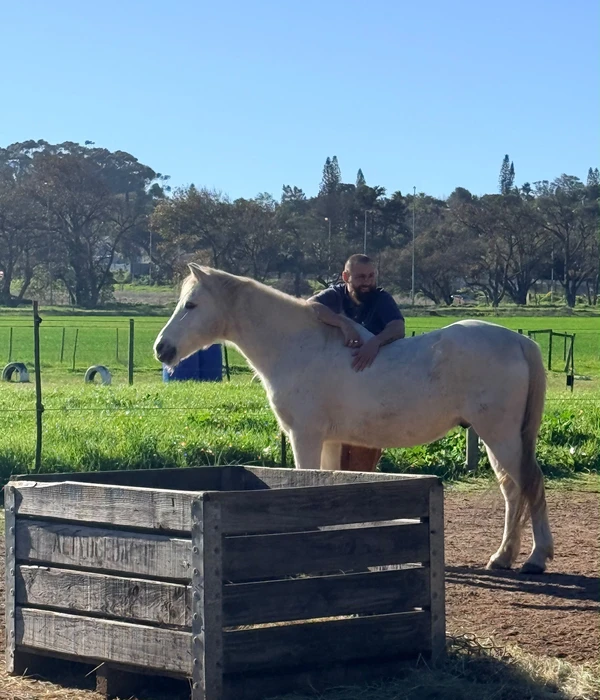
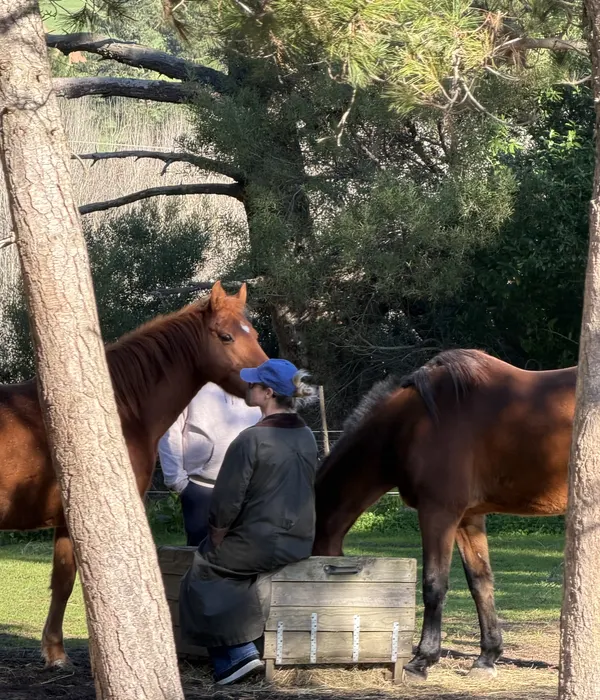
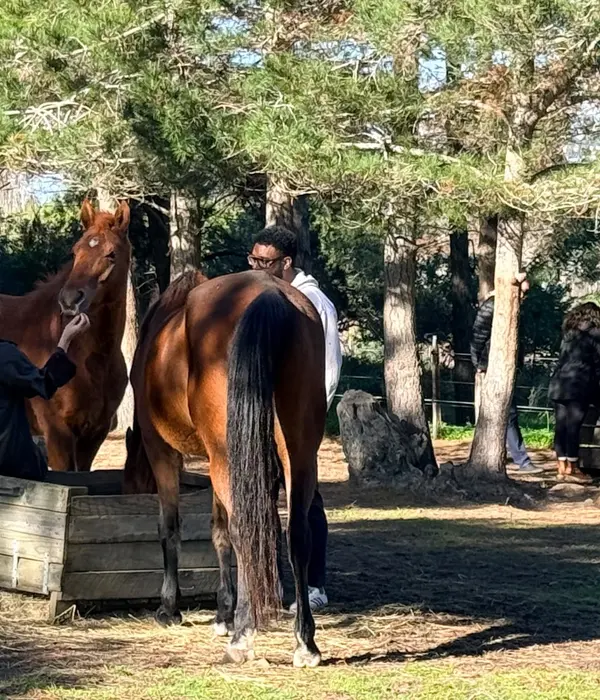
Equine-assisted therapy is an experiential form of therapy that incorporates structured interactions with horses to support psychological, emotional, and behavioural growth. Sessions are designed around specific therapeutic goals and are led by qualified mental health professionals working alongside experienced equine specialists.

Unlike recreational horse riding, equine-assisted therapy focuses on the therapeutic process rather than developing riding skills. Many programmes involve activities carried out on the ground.These experiences encourage participants to explore their thoughts, emotions, and behaviours in real time, providing opportunities for reflection and personal growth.

Horses are particularly well suited to therapeutic work because they are highly responsive to human body language, emotional cues, and behaviour. They do not judge or hold preconceived opinions. Instead, they respond honestly and consistently to what they experience in the present moment, helping improve self-awareness.

A Look Inside our Rehab Centre

View photos of our treatment rooms, facilities, and therapeutic environments.

Benefits of Equine-Assisted Psychotherapy

Substance use disorders often affect far more than physical health. Many individuals also experience co-occurring mental health conditions such as anxiety, depression, or trauma, making recovery more complex.

Equine-assisted therapy addresses many of these underlying challenges through structured experiences. While each programme is different, the overall goal is to help participants develop skills that support both recovery and everyday life.

Horses naturally respond to a person’s body language, behaviour, and emotional state rather than their words. This creates honest, immediate feedback that helps participants recognise how their emotions influence their actions and relationships.

For example, someone approaching a horse while feeling anxious may notice the horse becoming hesitant or keeping its distance. As they become calmer and more focused, the horse’s response often changes. With guidance from a therapist, these moments encourage greater self-awareness, helping individuals regulate their emotions, build healthier boundaries, and strengthen trust throughout their recovery.

Difficulty managing emotions is common among people living with substance use disorders. Equine-assisted therapy creates opportunities to practise emotional regulation in a calm, supportive environment. Working safely around horses requires patience, focus, and the ability to remain present, helping participants become more aware of their emotional state without immediately reacting to it.

Therapists often combine these experiences with evidence-based techniques, and this integration allows participants to apply practical coping strategies while reflecting on their experiences with the horse. As emotional regulation improves, individuals may become better equipped to manage cravings, tolerate distress, and respond more effectively to stressful situations that might otherwise contribute to relapse.

Recovery often involves rebuilding confidence while repairing relationships affected by substance use. Working with horses encourages participants to develop their character through activities such as grooming, leading, and caring for the animal.

These shared experiences naturally strengthen communication, teamwork, and healthy boundaries while fostering a sense of achievement and purpose. Over time, participants can build trust in themselves and others, developing practical skills that support healthier relationships and long-term recovery both during and after treatment.

Meet the Liberty Home Team

Our multidisciplinary team brings experience, empathy, and expertise to every treatment plan.

Morgane

Morgane

Founder & Clinical Director

Vincent

Vincent

CEO

Mel

Mel

Managing Director

Tayob

Dr. Imraan

Psychiatrist

What Does the Research Say About Equine-Assisted Therapy?

Research suggests that equine-assisted therapy may support substance use recovery by improving emotional regulation, self-awareness, and engagement in treatment. Much of its value comes from the way horses respond to a person’s body language and emotions, creating opportunities for reflection and growth that complement traditional psychotherapy.

While findings are promising, the evidence is still developing, and more high-quality research is needed. Equine-assisted therapy should therefore be viewed as a complementary approach rather than a standalone treatment. It is most effective when integrated with evidence-based care, such as psychotherapy, medical detoxification, medication-assisted treatment, and relapse prevention planning.

liberty-environment-woman-wearing-beige-cropped-crop-top-black-page

Types of Equine-Assisted Therapy

The term “equine-assisted therapy” is often used as an umbrella term, but it actually describes several different approaches that incorporate horses into health, education, or rehabilitation. Understanding these differences is important because not every programme involving horses is designed to treat substance use disorders.

Equine-assisted psychotherapy (EAP) is the equine modality most commonly used in addiction and mental health treatment. It combines psychotherapy with structured activities involving horses to help individuals explore emotions, behaviours, and relationship patterns that may contribute to substance use.

Sessions are led by a licensed therapist alongside an equine specialist. Rather than focusing on riding, participants engage in activities such as grooming, leading, or observing a horse while reflecting on their experiences. The horse’s honest, nonjudgmental responses can encourage greater self-awareness, complementing the skills developed in traditional therapy.

Equine assisted learning focuses on personal development rather than clinical treatment. Through guided activities with horses, participants build communication, teamwork, confidence, and problem-solving skills that can support long-term recovery. While it promotes personal growth, it should complement rather than replace evidence-based addiction treatment.

Although they also involve horses, therapeutic riding and hippotherapy have different goals. Therapeutic riding uses horseback riding to improve confidence, balance, and coordination, while hippotherapy is delivered by rehabilitation professionals who use the horse’s movement to support physical, occupational, or speech therapy. Neither approach is designed to treat substance use disorders in the same way as equine-assisted psychotherapy.

liberty-therapy-woman-lab-coat-holding-tablet-page

Who Is a Good Candidate for Equine-Assisted Therapy?

Equine-assisted therapy may benefit people at different stages of recovery, particularly those living with co-occurring anxiety, depression, trauma, or relationship difficulties. Because horses respond to a person’s emotions and behaviour rather than their words, participants often develop greater self-awareness, emotional resilience, and healthier coping strategies.

Before participating, individuals should be assessed to ensure they are medically and psychologically stable. Equine-assisted therapy is most effective when integrated into a comprehensive treatment plan and introduced at the appropriate stage of recovery.

Integrating Equine-Assisted Therapy into Substance Use Treatment

Equine-assisted therapy is most effective when it forms part of a comprehensive treatment plan rather than being used on its own. While working with horses can promote emotional growth and build practical coping skills, it does not replace medical detoxification, psychotherapy, or medication-assisted treatment where appropriate.

Instead, equine-assisted therapy complements these evidence-based approaches by giving individuals the opportunity to apply what they learn in counselling to real-life situations. For example, someone developing healthier ways to manage stress in cognitive behavioural therapy (CBT) may practise those same skills while interacting with a horse during a therapy session. This combination helps reinforce emotional regulation, communication, and problem-solving in a meaningful way.

friends-are-sitting-chatting-couch-page
liberty-environment-woman-sitting-rock-overlooking-ocean-enviroment-page

Safety, Risks, and Animal Welfare in Equine Therapy

Equine-assisted therapy should always be delivered in a safe, professionally supervised environment. Before taking part, individuals undergo an assessment to ensure they are medically stable and able to participate safely in activities involving horses.

Sessions are carefully planned to minimise risk, with trained staff providing instruction and supervision throughout. Depending on the programme, this may include the use of protective equipment, clear safety protocols, and activities that take place entirely on the ground rather than on horseback.

Just as participant safety is essential, so is the wellbeing of the horses involved. Reputable programmes follow high standards of animal welfare, ensuring horses receive appropriate veterinary care, adequate rest, and are never placed under unnecessary stress. Healthy, well-cared-for horses are fundamental to creating a safe and effective therapeutic environment.

Patient reviews and stories

Read the experiences of people who have been treated by us.

Practitioner Credentials and Programme Standards in South Africa

When considering equine-assisted therapy, it is important to look beyond the programme itself and consider the qualifications of those delivering care.

In South Africa, psychotherapy should be provided by appropriately registered mental health professionals, such as psychologists registered with the Health Professions Council of South Africa (HPCSA) or social workers registered with the South African Council for Social Service Professions (SACSSP). Equine-assisted programmes should also involve experienced equine specialists who understand both horse welfare and safe therapeutic practice.

Some practitioners hold additional training through internationally recognised organisations, such as the Equine Assisted Growth and Learning Association (EAGALA) or PATH International. While these certifications demonstrate specialised training, they should complement, not replace, professional clinical registration.

liberty red stel clipboard prescription drugs
liberty-environment-man-meditating-beach-sunset-enviroment-page

Cost and Medical Aid Considerations in South Africa

The cost of equine-assisted therapy varies depending on the treatment setting, programme length, and whether sessions are delivered individually or as part of a broader rehabilitation programme.

Some residential rehabilitation centres include complementary therapies within their overall treatment fees, while others may offer equine-assisted therapy as an optional service. Medical aid cover also differs between providers and plans, particularly for complementary therapies.

Before beginning treatment, it is worth checking whether pre-authorisation is required and whether sessions delivered by registered healthcare professionals may qualify for reimbursement. Understanding what is included in programme fees and discussing costs with both the treatment provider and medical aid scheme can help individuals make informed decisions about their care.

Aftercare and Continuing Support

Recovery continues long after a structured treatment programme ends. Many people benefit from ongoing support that reinforces the emotional and behavioural skills developed during rehabilitation.

Depending on individual needs, aftercare may include ongoing psychotherapy, peer support groups, relapse prevention planning, family therapy, or continued participation in equine-assisted therapy. Maintaining these supports can help individuals manage challenges as they arise, strengthen healthy coping strategies, and reduce the risk of relapse.

While equine-assisted therapy can play a meaningful role in recovery, lasting change is built through consistent support, evidence-based care, and a personalised treatment plan that evolves alongside each individual’s progress.

liberty-woman-using-laptop-computer-sex-porn-addiction-page

Take the Next Step Towards Recovery

At Liberty Home Rehab, we believe lasting recovery is built on evidence-based care that addresses both the physical and emotional aspects of substance use. Where appropriate, complementary therapies such as equine-assisted therapy can be incorporated into a personalised treatment plan alongside psychotherapy.

If you or someone you care about is struggling with substance use, our team can help you explore the treatment options that best suit your individual needs. Reach out to Liberty Home Rehab to learn more about our programmes and take the first step towards long-term recovery.

lh-lodge-

References

Frequently Asked Questions

Is equine-assisted therapy effective for substance use treatment?

Current research suggests that equine-assisted therapy can improve treatment engagement, emotional regulation, and self-awareness when used alongside evidence-based addiction treatment. While the findings are encouraging, it should be viewed as a complementary therapy rather than a standalone treatment.

Equine-assisted therapy may benefit adults and adolescents receiving treatment for substance use disorders, particularly those living with co-occurring anxiety, depression, trauma, or relationship difficulties. A clinical assessment is recommended to determine whether it is appropriate for an individual’s needs.

Not always. Many equine-assisted therapy sessions take place entirely on the ground and involve activities such as grooming, leading, or observing horses. Mounted activities may be included in some programmes but are not essential to the therapeutic process.

Yes. Equine-assisted therapy is designed to complement evidence-based approaches such as psychotherapy, cognitive behavioural therapy (CBT), medication-assisted treatment, and relapse prevention planning. It should not replace medical detoxification or other clinically recommended treatments.

When delivered by qualified professionals, equine-assisted therapy is generally safe. Participants are assessed before treatment, sessions are supervised, and reputable programmes follow clear safety procedures while prioritising the welfare of both participants and horses.

Mental health treatment should be delivered by appropriately registered healthcare professionals, such as psychologists registered with the Health Professions Council of South Africa (HPCSA) or social workers registered with the South African Council for Social Service Professions (SACSSP). Some programmes may also hold specialist equine-assisted therapy certifications through organisations such as EAGALA or PATH International.

Medical aid cover varies depending on the scheme and the treatment programme. Some rehabilitation centres include equine-assisted therapy within their overall fees, while others may charge separately. It is best to confirm benefits and any pre-authorisation requirements with both your medical aid provider and the treatment facility before beginning treatment.

Scroll to Top