Heroin Addiction Treatment in Cape Town

Home Heroin Addiction Treatment...

Overview: Heroin Rehab Options in Cape Town

Choosing to seek heroin addiction treatment can feel overwhelming, but for many, it’s also a vital step toward lasting change. If you’re looking for space from your current environment, or if options haven’t offered the structure or affordability you need, Cape Town may offer a fresh path forward. At Liberty Home Group, we provide a clinically grounded residential programme paired with a structured sober living pathway.
 
Our focus extends beyond the initial phase of treatment; we help you prepare for reintegration and maintain recovery long after you leave our care.

How Does Heroin Rehab Work in Cape Town?

Our heroin drug rehab programme in Cape Town begins once you’ve completed detox with one of our trusted medical partners. From there, you’ll step into a structured residential environment designed to support your emotional and psychological stability. Our approach combines daily routines, individual and group therapy, and support for underlying mental health concerns, all within a calm, professionally guided setting.


 

What Types of Heroin Treatment Programmes are Available in Cape Town?

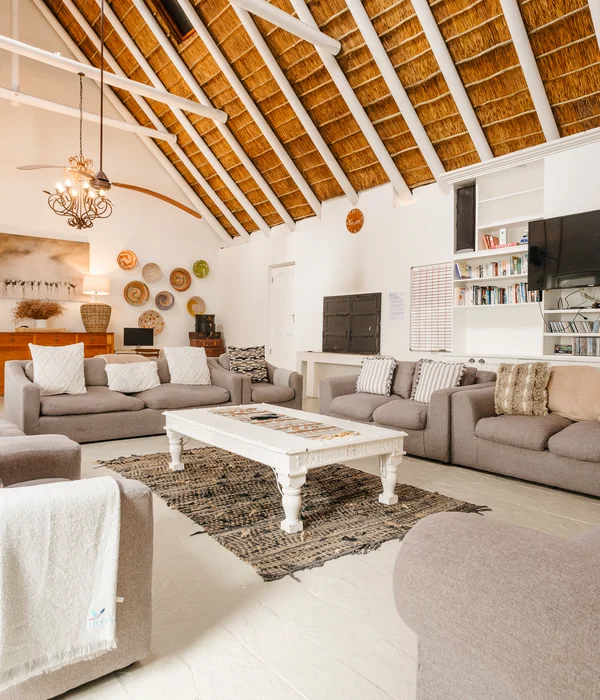
Cape Town offers a range of recovery options tailored to different stages of the journey. For those starting, detox is managed offsite through trusted medical partners to ensure safety and stability. Once that phase is complete, medically stable individuals can transition into residential care programmes that prioritise emotional healing and long-term recovery. These programmes often include daily therapeutic work, peer connection, and structured support in a calm, home-like setting. 

Medically Supervised Detox and Withdrawal Support

Detoxification from heroin should always take place under medical supervision due to the physical and psychological risks it can involve. Withdrawal symptoms often peak within the first 72 hours and may include nausea, diarrhoea, insomnia, muscle aches, and intense cravings. Medical professionals monitor vital signs carefully and adjust care as needed, using recognised protocols to prioritise comfort and safety. 
 
While Liberty Home Group does not deliver heroin detox services onsite, we work closely with trusted medical providers in Cape Town who specialise in managing opioid withdrawal. These teams are experienced in helping clients through the initial stabilisation phase. Once you’re medically stable, you may move into our structured rehabilitation centre, where ongoing support focuses on emotional regulation, daily routines, and building readiness for therapeutic work.

Symptomatic Medicines During Detox 

During detox, you may be offered medications to ease specific withdrawal symptoms and help you feel more stable. For example, antiemetics can be used to reduce nausea, antidiarrhoeals to manage stomach discomfort, and medications like clonidine or lofexidine to support the regulation of anxiety and blood pressure. These targeted supports are not meant to remove all difficulty, but they do help lower immediate distress and reduce the chances of complications, ensuring you get the best treatment for drug addiction.

Medication-Assisted Treatment (MAT) for Opioid Use Disorder

Medication-Assisted Treatment (MAT) combines evidence-based medications with psychological therapies to support people struggling with opioid use disorder (OUD). For many, MAT helps reduce the fear of relapse by easing cravings, supporting emotional stability, and opening a clearer path toward long-term recovery. Although MAT isn’t offered directly at our treatment centre, we work closely with trusted medical partners in Cape Town who can initiate and manage this treatment before or alongside a stay in our residential programme.
 
Common medications include methadone and buprenorphine, which can be used during and after detox to manage withdrawal and reduce cravings. Naltrexone may be introduced once detox is complete. While we don’t prescribe medications within our rehab centre, our team supports you in accessing the right care, coordinating with external clinicians for prescriptions, monitoring, and ongoing management where needed. 

Role of Methadone in Stabilising Withdrawal and Reducing Cravings

Methadone is a long-acting opioid agonist that helps ease withdrawal symptoms and reduce the overwhelming cravings linked to heroin or other opioid use. By helping to stabilise both your body and mind, methadone allows you to take part in therapy with greater clarity and comfort.

How Buprenorphine Differs from Methadone in Initiation and Maintenance

Buprenorphine works differently from methadone because it's a partial opioid agonist; it activates the brain’s opioid receptors, as heroin does, but in a more limited way. This helps reduce cravings while lowering the risk of overdose and misuse. Compared to methadone, it's often seen as more flexible, with a lower risk of physical dependence over time.

Residential Care at Liberty Home Group: Structured Recovery in South Africa

After completing detox, many people arrive still feeling emotionally raw, vulnerable, or unsure of what to expect next. Our treatment and rehabilitation programme is designed to meet you with care and structure in a safe, supportive space that encourages both rest and real growth. 
 
The schedule includes individual counselling, group therapy, relapse prevention planning, life skills development, and dedicated support for co-occurring mental health challenges. 
 
We’re experienced in working with international clients who need distance from stressful environments or unhelpful patterns, and as you progress, we support the next phase through steady reintegration into sober living, with recovery tools that prepare you for life beyond primary care.
 
Relapse prevention is a continuous thread throughout care; this includes practical safety planning, coping strategies, and coordination either in South Africa or with UK-based providers to help safeguard your long-term wellbeing once you return.

What to Expect in the First 72 Hours of Admission

During your first 72 hours, you’ll be gently introduced to our daily routines, meet your dedicated therapeutic team, and begin taking part in light, supportive activities to help you settle in.

At the same time, we’ll begin a thorough intake process to get to know you, your goals, personal history, and any emotional or psychological challenges you may be facing. This helps us shape a treatment plan that’s personal, clinically informed, and aligned with where you are right now. 

How Long Does Residential Heroin Rehab Usually Last?

The length of residential heroin rehab can vary depending on your needs, progress, and clinical recommendations. At our rehab centre based in Cape Town, many clients begin with an initial 28-day stay, but this is just the starting point. 

We’ll work closely with you to assess your progress and guide next steps, whether that means continuing in residential care or gradually transitioning to structured sober living. 

Dual Diagnosis, Therapies and Long-Term Recovery Planning

Heroin use often overlaps with mental health challenges such as depression, anxiety, trauma, or neurodivergent conditions. Our dual diagnosis support gives you the space to better understand how co-occurring conditions may affect your thoughts, emotions, and behaviours around substance use. 
 
Our personalised treatment programme includes evidence-based approaches like Cognitive Behavioural Therapy (CBT), mindfulness-based relapse prevention, interpersonal therapy, and trauma-informed care. We also adapt our therapies to support clients with different learning styles, sensory sensitivities, or neurodivergent processing. 

Integrating Individual Therapy With Peer Support Groups

At our facility in South Africa, we offer our residents to take part in one-to-one sessions with trained therapists and small peer groups led by experienced facilitators. This combination offers both depth and connection. Individual therapy provides a private space to talk through personal struggles, while peer groups offer an opportunity to feel understood and supported by others navigating similar challenges.

Many people find comfort in hearing stories that mirror their own, helping to break feelings of isolation. If you’ve wondered whether you’re alone in what you’re facing, these group spaces often show you that you’re not. Together, they help you build trust, accountability, and a sense of belonging as you move forward.

Co-occurring Mental Health Conditions and Their Treatment

We support individuals facing a range of non-acute mental health challenges that often occur alongside addiction, such as complex trauma, mood disorders, burnout, and neurodivergent traits. You don’t need a formal diagnosis or to have everything figured out before you arrive. 

Our multidisciplinary team works closely with you to design an integrated care plan that honours your unique psychological needs, goals, and lived experience. Within the structured setting of our residential treatment programme, we offer therapeutic support that addresses both mental health and substance use issues in a coordinated, respectful way. 

Fees, Regulation and Travel Considerations 

Those travelling to South Africa for heroin rehab may feel like it’s a big step, but with thoughtful coordination and support, it’s more accessible than you might think. Our admissions team is here to guide you through every stage, helping with travel planning, medical paperwork, and a smooth transition into residential care after detox. As a private-pay provider, we’re committed to being clear and upfront about costs.
 
Fees cover core therapeutic programming, comfortable, home-like accommodation, nutritious daily meals, full clinical oversight and case management. We operate in line with international standards of clinical practice, and when needed, we can also connect with your mental health professionals to help ensure a safe and continuous care journey before and after your time with us.


What is Typically Included in the Fee?

We understand that thinking through rehab treatment costs can feel overwhelming, especially when you’re planning for care abroad. As a self-pay provider, we aim to make things as clear as possible. Residential fees cover your accommodation, all meals, one-to-one and group therapy sessions, daily structure, and full access to our dedicated clinical and support team.
 
Detox services, specialist assessments, outside psychiatric consultations, and extended medication needs are not included, as these fall outside the scope of our residential setting. However, we can help coordinate these through trusted external partners if needed, at an additional cost.

How Facilities are Licensed and Audited in South Africa

At Liberty Home Group, we’re fully licensed by the Department of Social Development and registered with the Department of Health in South Africa.
 
This means our programme meets all required clinical and ethical standards, and our team includes professionals who are properly accredited in their fields. Regular audits help ensure we continue to provide care that’s both accountable and aligned with national healthcare regulations.

Next Steps: Starting Heroin Addiction Treatment in Cape Town

If you’re feeling overwhelmed or unsure about taking the first step, know that you’re not alone. Whether you or a loved one is exploring structured heroin addiction treatment abroad, we’re here to guide you through your options. Get in touch to talk about timing, suitability, and how we can support your recovery, calmly, safely, and with care.

Frequently Asked Questions

How long does heroin rehab in Cape Town usually last?

You may begin with a 28-day stay in heroin rehab in Cape Town, but this is just a starting point. Your time with us will be shaped by your clinical progress, personal goals, and readiness for the next phase of recovery. We support flexible timelines and can help you transition into longer-term sober living if that suits your journey.


Eligibility for our heroin addiction treatment in Cape Town depends on a few important factors, including your physical and psychological readiness after detox and your willingness to participate in a residential programme. We’ll work closely with you through a comprehensive assessment to ensure our care environment matches your current stage of recovery. 

We understand how overwhelming it can feel when a loved one is in treatment. With your loved one’s consent, your family may be invited to participate in supported phone calls, therapeutic updates, or psychoeducation sessions tailored to your needs.

Yes. We specialise in integrated treatment for addiction and co-occurring mental health conditions such as PTSD, anxiety, and depression. Many of our residents come to us feeling that previous care focused only on symptoms or missed key aspects of their mental health.

The cost of heroin rehab in Cape Town usually covers accommodation, meals, individual and group therapy sessions, therapeutic activities and structured routines. Ongoing clinical and emotional support, detox and any external medical or psychiatric care are arranged through our trusted partner providers and billed separately. 

Scroll to Top